
1. Introduction: The Unprecedented Rise of Solar Photovoltaics
The global energy landscape is undergoing a seismic shift. For over a century, the world relied on centralized, carbon-heavy fossil fuel systems. However, the 21st century marks the transition to decentralized renewable energy. Solar Photovoltaics (PV) has emerged as the spearhead of this movement.
According to the International Energy Agency (IEA), solar PV generation increased by a record 270 TWh in 2022, demonstrating the fastest growth rate among all renewable technologies. This is no longer a niche environmental movement; it is the backbone of the new global economy.
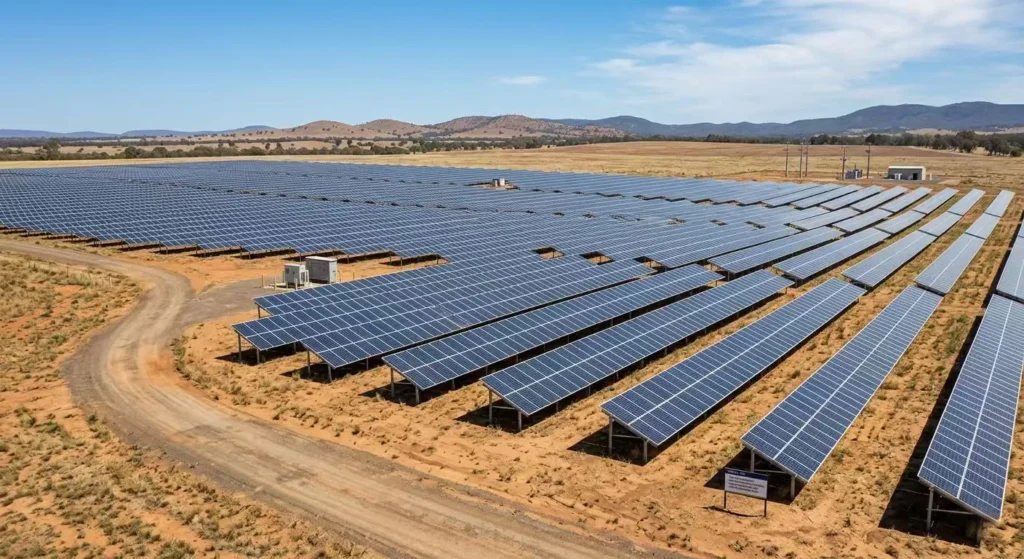
2. Why Solar is Winning: The Economic and Environmental Synergy
The surge in solar adoption is driven by a “perfect storm” of economic and environmental factors.
2.1 The LCOE Revolution
The most significant driver of solar adoption is the drastic reduction in the Levelized Cost of Energy (LCOE). Data from IRENA (International Renewable Energy Agency) indicates that the cost of solar energy has dropped by nearly 90% since 2010.
2.2 Energy Independence and ESG Goals
For B2B entities, solar energy is a strategic asset. It mitigates the risks of volatile fossil fuel markets and helps corporations meet strict ESG (Environmental, Social, and Governance) criteria demanded by modern investors.
3. The Science of Light: How Solar Panels Convert Photons to Electrons
To understand why structural support is vital, we must first look at the physics of the PV module.
3.1 The Crystalline Silicon Backbone
Most commercial panels utilize Mono-crystalline or Poly-crystalline silicon. When photons strike the cell, they knock electrons loose, creating an electric current. This process is highly sensitive to the environment, requiring precise positioning—a task delegated entirely to the mounting system.
3.2 Efficiency and Degradation
Modern panels have an efficiency of 20-22%. However, this efficiency degrades over time. Protecting the panels from micro-cracks—often caused by poor mounting and excessive vibration—is essential for maintaining a 25-year lifecycle.
4. The Hidden Hero: The Critical Importance of Solar Mounting Systems
While the solar panel captures the headlines, the Solar Mounting System (Solar Racking) is the silent partner that ensures the project’s viability.
4.1 Structural Integrity and Wind Loads
A solar array is essentially a giant sail. Without robust engineering, high winds can create massive uplift forces that can rip panels from a roof or ground site. Professional racking systems must adhere to ASCE 7-16 structural standards to ensure safety.
4.2 Material Science: Anodized Aluminum vs. Galvanized Steel
The choice of material determines the project’s longevity:
- Aluminum (AL6005-T5): Offers a high strength-to-weight ratio and natural corrosion resistance, ideal for rooftop applications.
- Steel (Hot-Dip Galvanized): Provides the heavy-duty strength required for large-scale ground mounts.
4.3 Waterproofing and Roof Protection
For commercial rooftop solar, the mounting system must integrate seamlessly with the building’s thermal envelope. Technologies like EPDM flashing and ballasted mounts ensure that solar installations do not compromise the roof’s integrity.
5. Optimizing Energy Yield through Engineering
Mounting systems do more than just “hold” panels; they are performance optimizers.
- Tilt Angle Optimization: Fixed racking must be calculated based on the site’s latitude to maximize annual irradiance.
- Bifacial Compatibility: Modern mounting systems are designed with specialized rails that minimize shading on the back of bifacial panels, increasing yield by up to 15%.
- Thermal Management: Proper racking creates a “chimney effect,” allowing air to flow behind the panels, cooling them and increasing electrical efficiency.
6. Conclusion: The Foundation of a Greener Future
Solar energy is the cornerstone of the global energy transition. However, as we scale from kilowatts to gigawatts, the industry must focus on the structural fundamentals. Investing in high-quality solar infrastructure—from the silicon cells to the mounting brackets—is the only way to ensure long-term profitability and safety.
Technical References & Academic Citations
- IEA (2024): Solar PV – Energy System Report. Visit IEA Website
- IRENA (2023): Renewable Power Generation Costs in 2022. Visit IRENA Publications
- National Renewable Energy Laboratory (NREL): Solar Photovoltaic Technology Basics. Visit NREL
- American Society of Civil Engineers (ASCE): Minimum Design Loads for Buildings. Visit ASCE
- Fraunhofer Institute for Solar Energy Systems (ISE): Photovoltaics Report 2023. Visit Fraunhofer ISE
- SEIA: Solar Industry Research Data. Visit SEIA