SOLAR CABLE MANAGEMENT SOLUTIONS

Solar Cable Tray Manufacturer & Systems

SolarMountX provides cable tray and cable routing support solutions for rooftop PV, ground-mounted solar farms, solar carports, energy storage projects, and industrial solar installations.

Rooftop PV Solar Farms BESS Projects Custom Cable Routing

CABLE MANAGEMENT PROBLEMS SOLVED

Keep Solar Project Wiring Organized, Protected, and Easier to Maintain

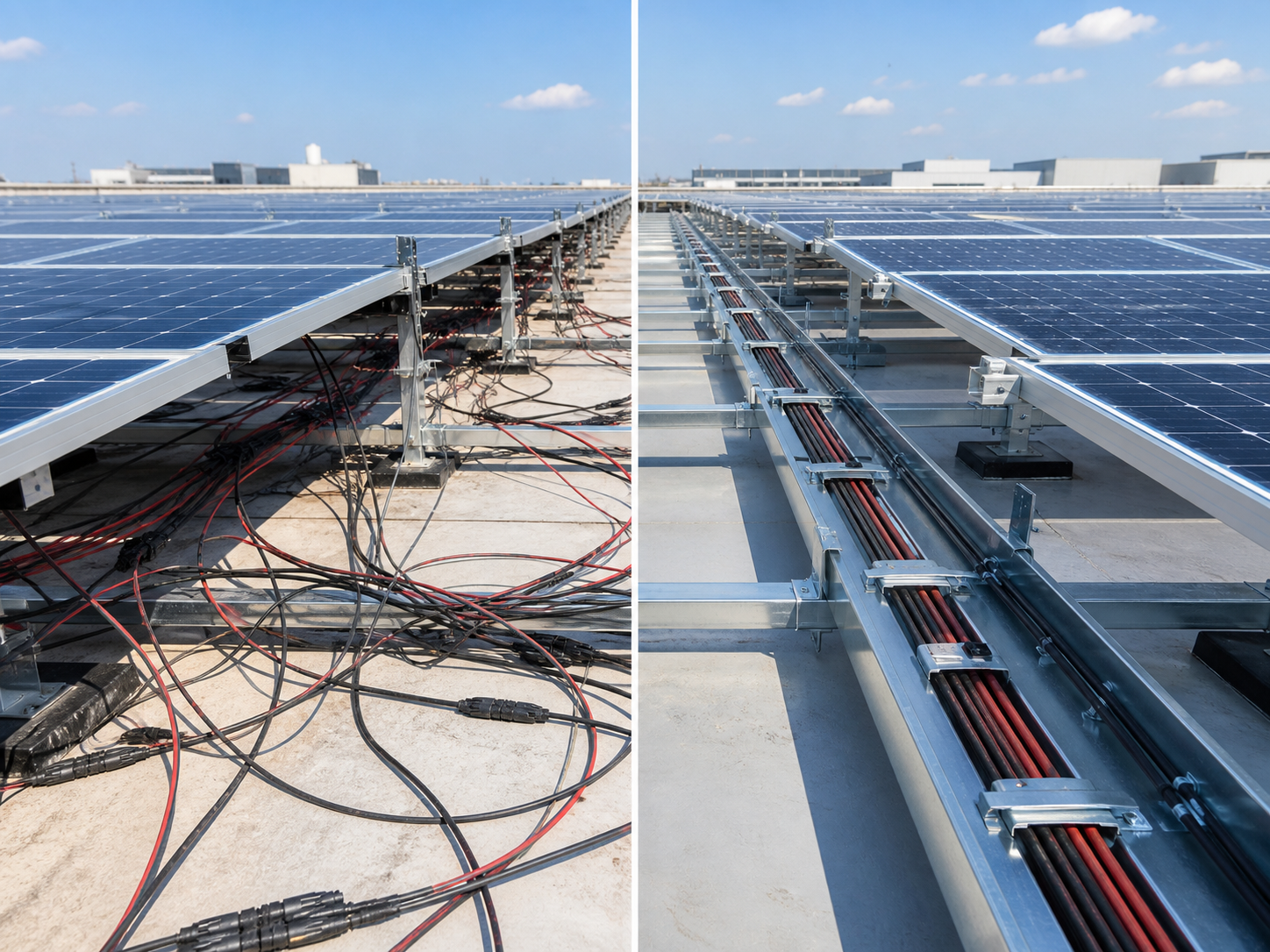
Exposed or poorly routed cables can slow installation, complicate maintenance, and increase long-term project risk. SolarMountX cable tray systems help EPC contractors and installers create cleaner cable paths for rooftop, ground-mount, carport, and energy storage projects.

Comparison of exposed solar cables and organized PV cable tray routing
01

Organized Cable Routing

Defined tray paths help keep DC and AC cables separated, visible, and easier to trace during installation and service.

02

Outdoor Cable Protection

Metal trays, covers, and support brackets help reduce exposure to abrasion, UV, wind movement, and rooftop contact.

03

Maintenance Access

Clear routing makes inspection, replacement, and troubleshooting more efficient across commercial and utility PV sites.

04

Cleaner Project Delivery

Matched trays, connectors, bends, covers, and fasteners help reduce on-site improvisation and missing accessory issues.

PRODUCT TYPES

Cable Tray Options for Different Solar Project Layouts

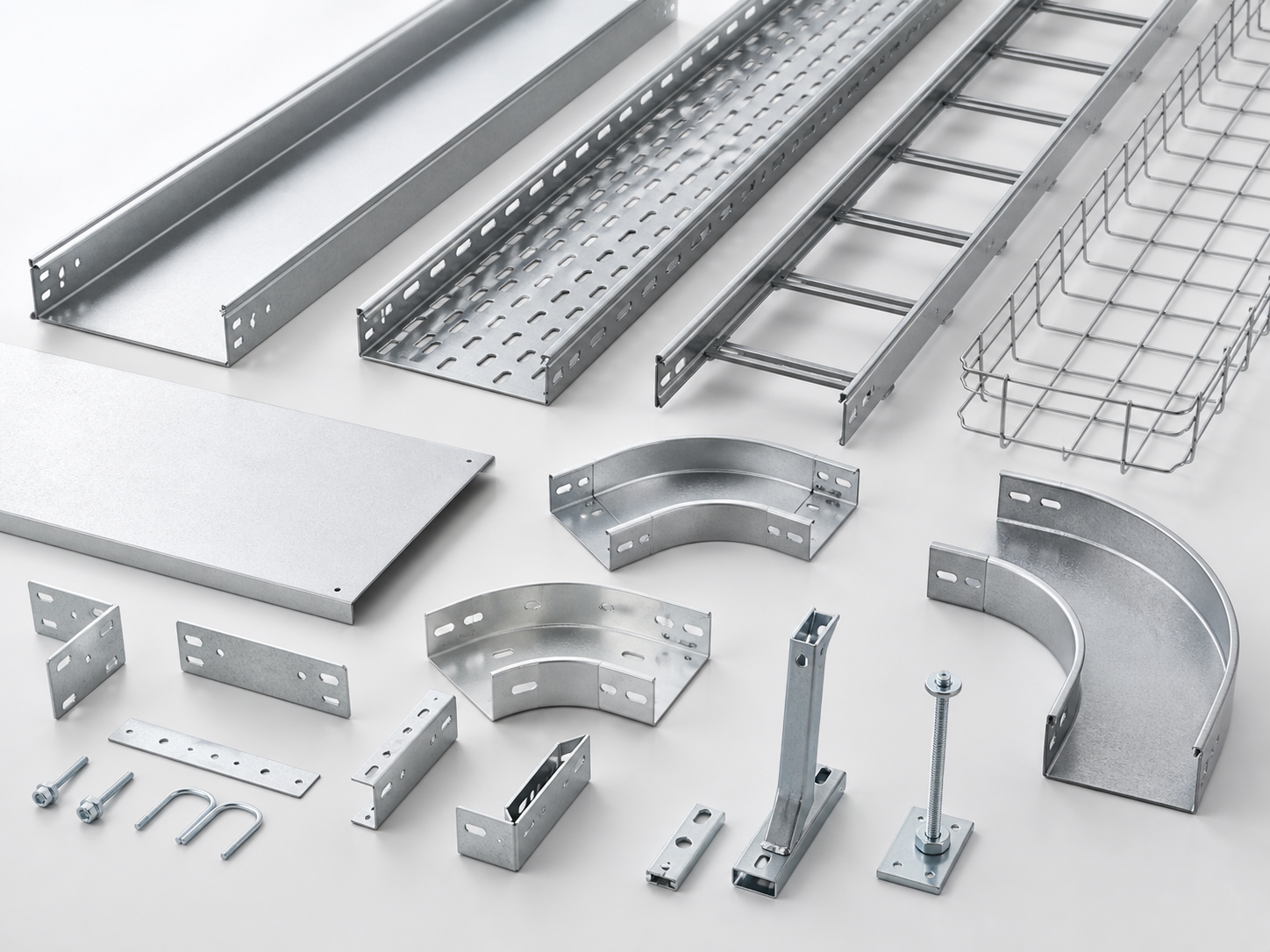
SolarMountX supplies cable tray systems and matching accessories for organized PV cable routing, outdoor protection, maintenance access, and project-specific installation requirements.

Solar cable tray product types including aluminum tray galvanized tray ladder tray and accessories

Aluminum Cable Tray

Lightweight corrosion-resistant tray option for rooftop PV, carport, and commercial solar projects.

Hot-Dip Galvanized Cable Tray

Durable steel tray solution for utility solar farms, industrial rooftops, and exposed outdoor routes.

Perforated Cable Tray

Ventilated tray design for organized cable placement, drainage, inspection, and easier maintenance.

Ladder Cable Tray

Open ladder structure for longer cable runs, heavier cable bundles, and flexible project routing.

Covers, Bends, and Connectors

Matched accessories help protect cables, handle route changes, and keep installation details consistent.

Support Brackets and Fasteners

Project-ready brackets, clamps, bolts, and grounding accessories support stable field installation.

Custom options: tray length, width, height, hole pattern, cover type, connector design, support spacing, finish, and packing method.

APPLICATION SCENARIOS

Cable Tray Systems for Rooftop, Ground, Carport, and Energy Storage Projects

Different solar sites need different cable routing methods. SolarMountX helps project teams match cable tray materials, support points, covers, connectors, and installation details to the project environment.

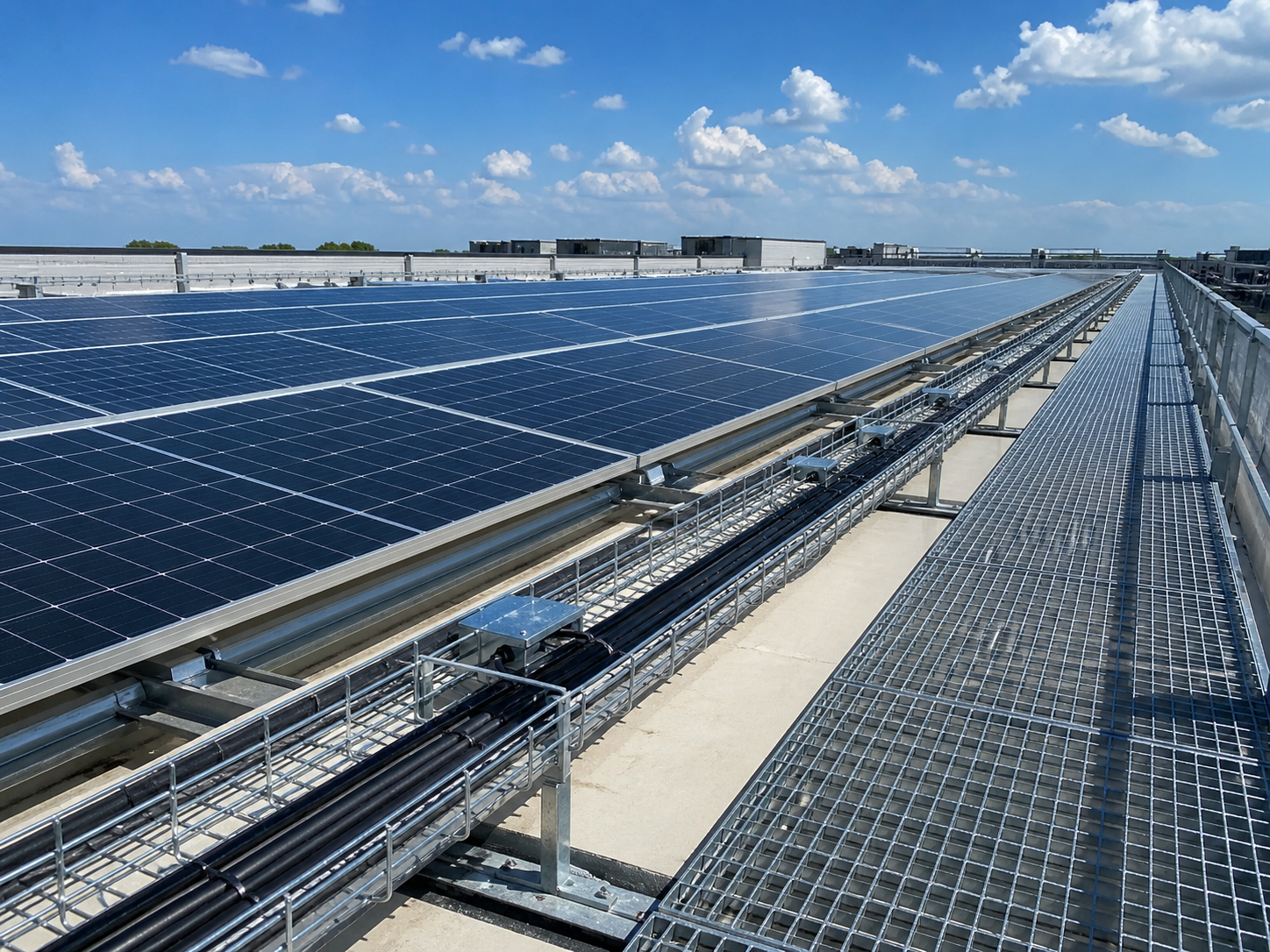
Rooftop solar cable tray system for commercial PV installation

Commercial Rooftop PV

Organized rooftop cable tray routes help keep wiring away from roof surfaces, drainage paths, and maintenance walking areas.

  • Flat roof and metal roof PV projects
  • No-drill or bracket-supported routing options
  • Compatible with rooftop walkways and mounting systems
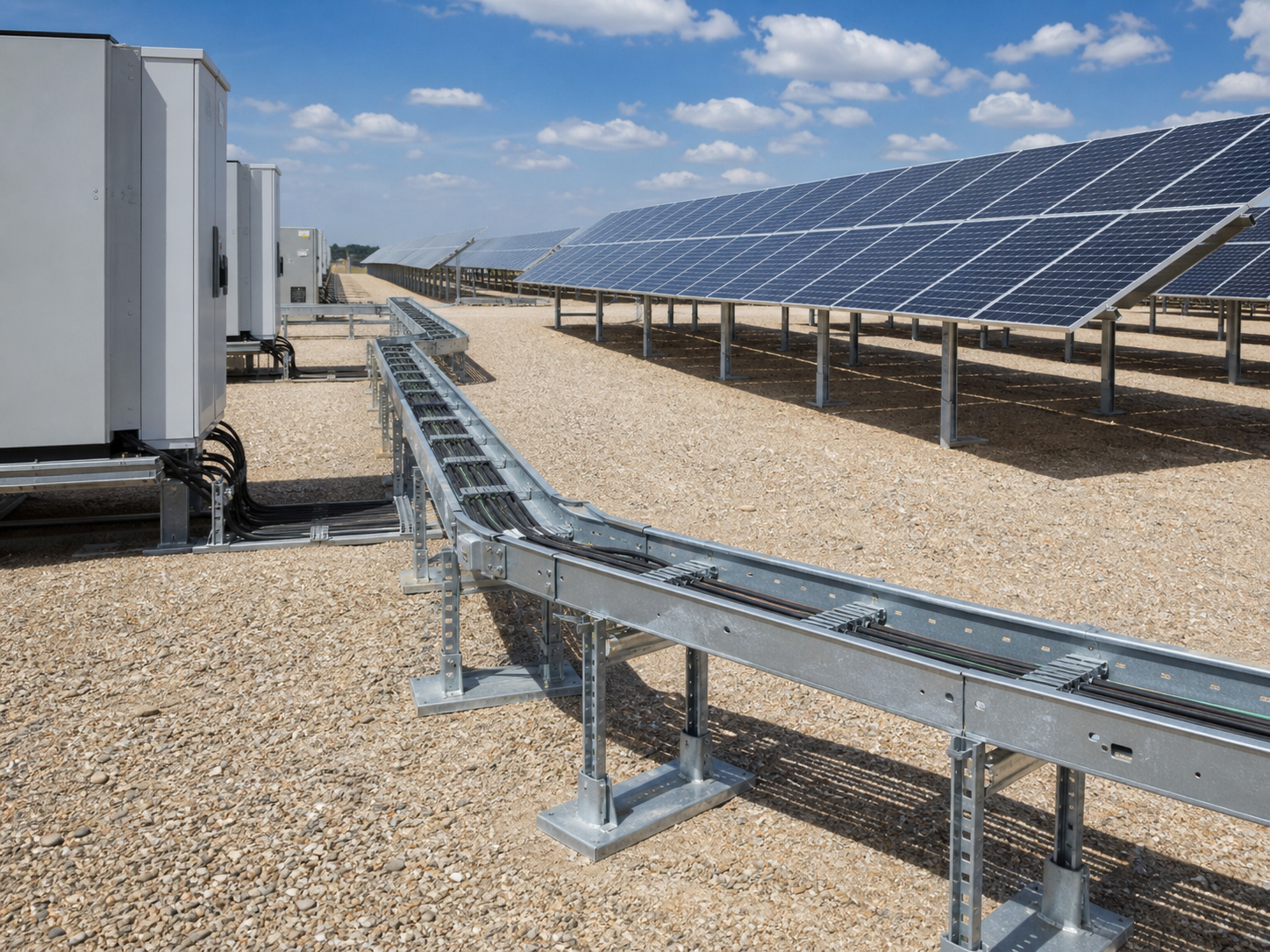
Galvanized cable tray system for utility scale solar farm cable routing

Utility Solar Farms

Ground-mounted projects often need stronger tray routes for longer cable runs between PV arrays, combiner boxes, inverter areas, and service zones.

  • Galvanized steel or aluminum tray options
  • Support brackets for outdoor cable routing
  • Custom layout support for large-scale projects
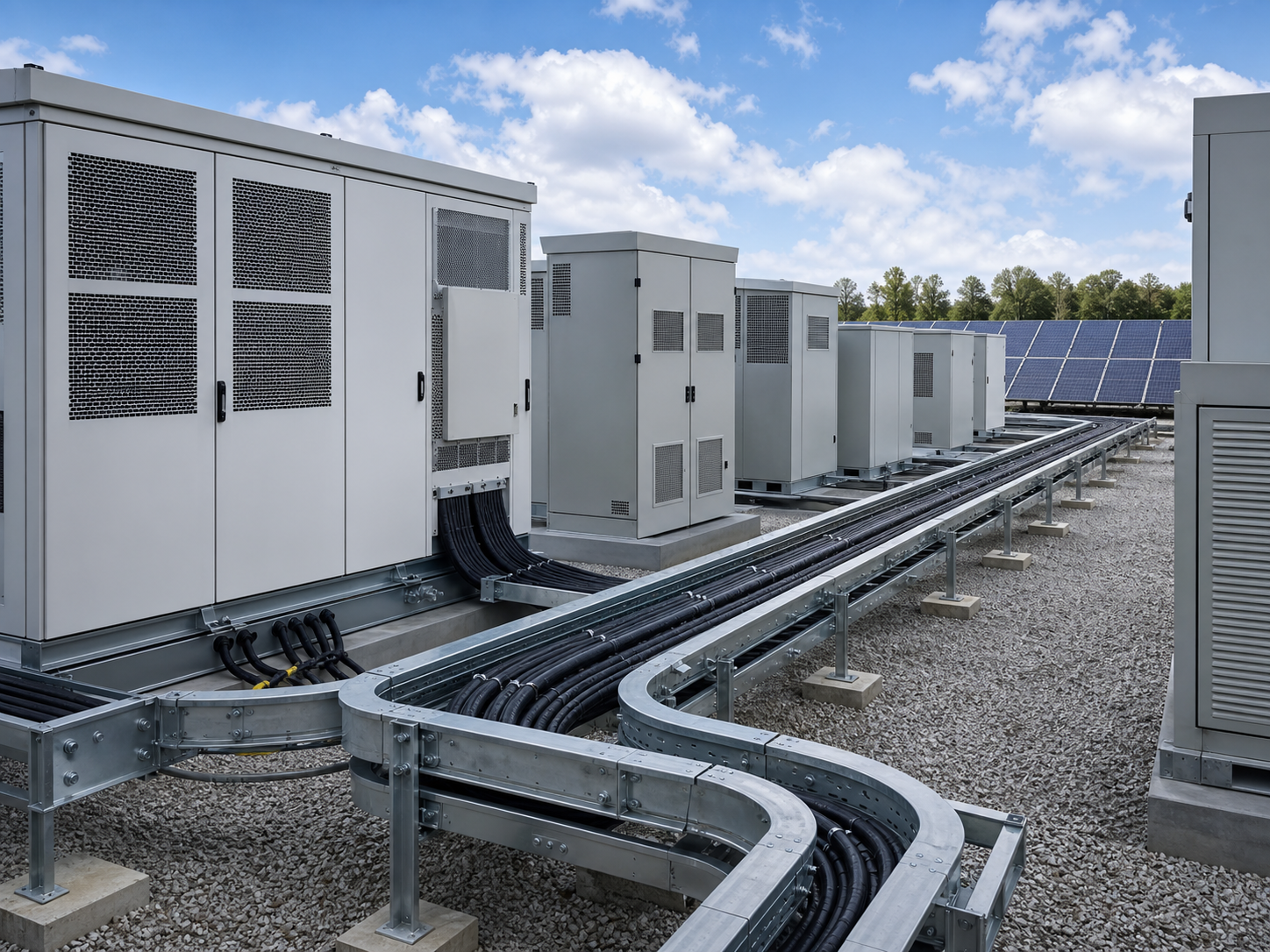
Cable tray routing for battery energy storage system and solar power infrastructure

BESS and Industrial Solar

Energy storage and industrial solar sites require clear cable routing around equipment, maintenance corridors, and electrical connection points.

  • Tray routing near battery cabinets and PCS equipment
  • Covers, bends, connectors, and grounding accessories
  • Organized cable paths for inspection and operation

TECHNICAL SPECIFICATION

Match Cable Tray Details to Project Routing, Load, and Environment

Cable tray selection should consider cable quantity, route length, support spacing, corrosion exposure, installation method, and required accessories. SolarMountX can review project drawings or BOM details before quotation.

Specification Item Typical Options Project Notes
Tray Type Perforated tray, ladder tray, solid-bottom tray, tray cover Select according to cable bundle size, ventilation, protection, and maintenance needs.
Material Aluminum, hot-dip galvanized steel, stainless steel accessories Match material to rooftop, ground, coastal, industrial, or BESS project conditions.
Finish Natural aluminum, anodized aluminum, hot-dip galvanized finish Outdoor exposure and corrosion environment should be reviewed before final selection.
Dimensions Custom width, height, length, hole pattern, cover design Dimensions can be discussed according to cable volume, routing direction, and support span.
Accessories Connectors, bends, covers, support brackets, bolts, clamps, grounding parts Matched accessories help reduce missing parts and simplify field installation.
Application Rooftop PV, solar farm, carport, BESS, industrial solar projects Share drawings, layout, cable route, and project environment for a more accurate proposal.
Width Height Thickness Length Hole Pattern Cover Type Support Spacing Finish
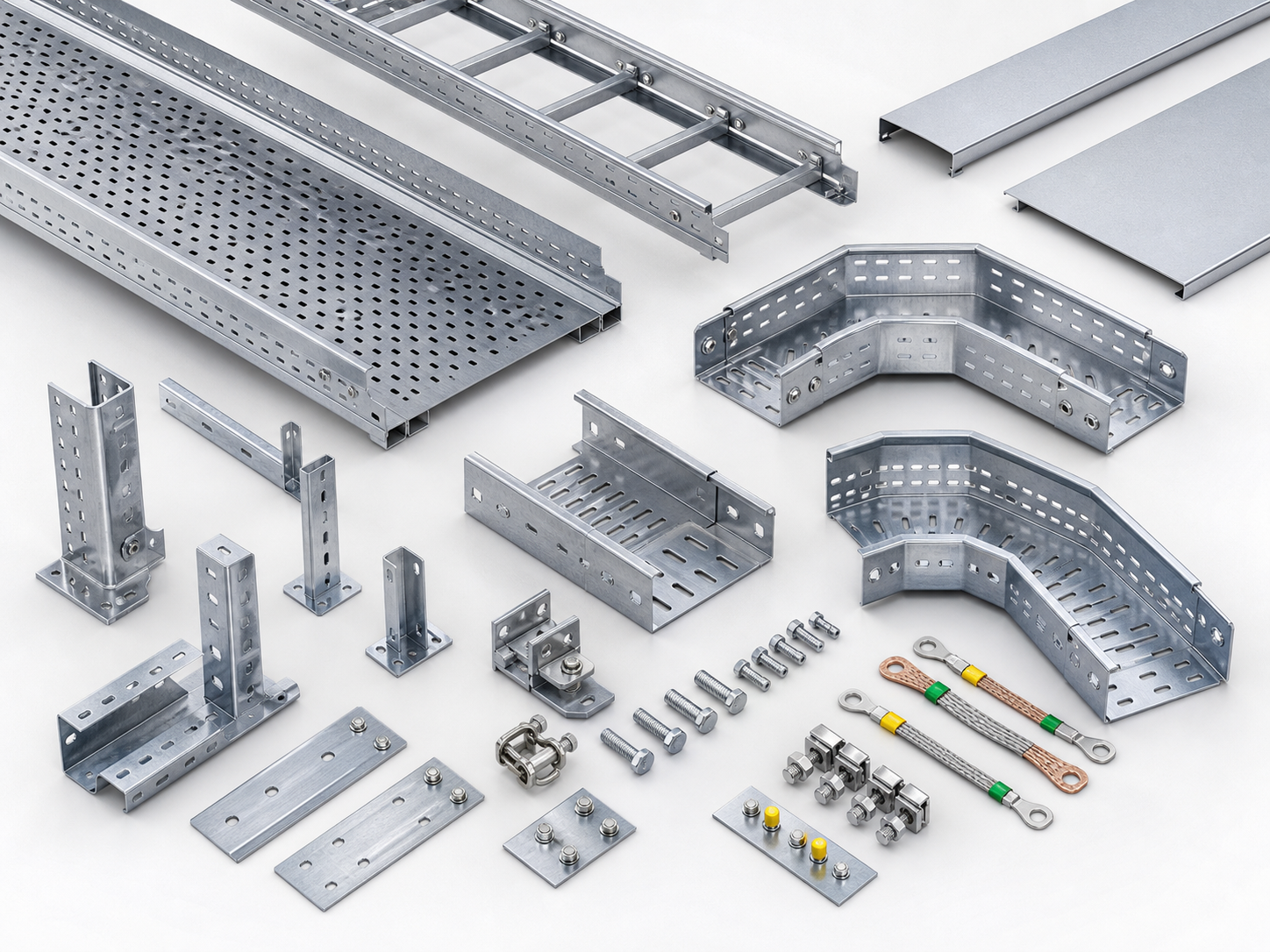
Solar cable tray components including tray covers connectors bends and support brackets
Component scope: tray sections, covers, connectors, bends, brackets, fasteners, clamps, and grounding accessories.

INSTALLATION LOGIC

Plan the Cable Tray Route Before Site Installation Starts

A clear installation sequence helps reduce field adjustment, missing accessories, and cable routing conflicts. SolarMountX supports project teams with practical cable tray layouts, matched components, and installation-ready supply.

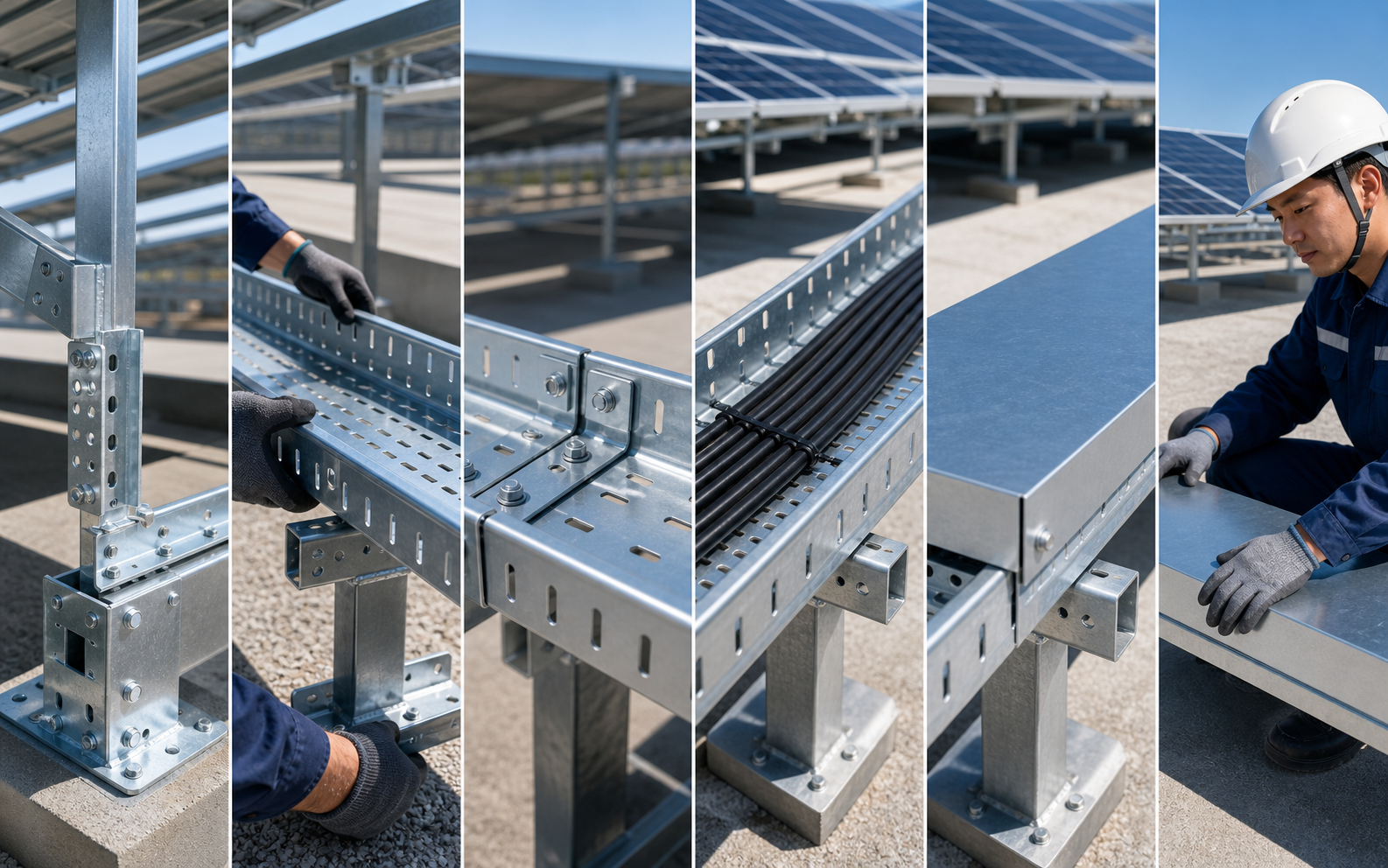
PV cable tray installation process with support brackets connectors and cable placement
01

Review Cable Route

Confirm cable path, inverter or combiner box locations, roof drainage, access paths, and equipment clearance.

02

Set Support Points

Define support spacing, bracket type, fixing method, and interface with roof, ground, or carport structures.

03

Align Tray Sections

Position tray sections, check route direction, and prepare bends, connectors, covers, and expansion details.

04

Lock Connectors

Install connectors, bolts, clamps, support brackets, and grounding parts according to the approved layout.

05

Place and Protect Cables

Route cable bundles neatly, avoid sharp edges, maintain bend radius, and add covers where protection is required.

06

Inspect Before Handover

Check fixing points, cable separation, cover installation, grounding continuity, labels, and maintenance access.

MATERIAL & CORROSION OPTIONS

Select Cable Tray Materials for Outdoor Solar Environments

Solar cable tray systems must handle long-term UV exposure, moisture, temperature changes, rooftop conditions, and outdoor corrosion risk. SolarMountX helps project teams choose practical materials and finishes according to site conditions and installation requirements.

01

Aluminum Cable Tray

Lightweight and corrosion-resistant for commercial rooftop PV, solar carports, and projects where easier handling and lower structural load are important.

  • Good for rooftop and carport routing
  • Lower weight for easier handling
  • Available with custom profiles and covers
02

Hot-Dip Galvanized Steel Tray

A durable option for ground-mounted solar farms, industrial projects, and outdoor cable routes that need stronger structural support.

  • Suitable for exposed outdoor installation
  • Strong support for longer cable routes
  • Common choice for utility-scale projects
03

Stainless Steel Accessories

Bolts, nuts, washers, clamps, grounding parts, and connectors can be selected to match project corrosion requirements and installation conditions.

  • Fasteners for tray connectors and brackets
  • Grounding clips and bonding accessories
  • Options for demanding outdoor environments
04

Covers and Protection Details

Covers, bends, edge protection, grounding points, and route transitions help protect cables and simplify later inspection or maintenance.

  • Tray covers for added cable protection
  • Bends and connectors for route changes
  • Grounding details for safer cable management

Quick Selection Guide

For rooftop projects, start with aluminum trays when weight and corrosion resistance matter. For ground-mount or industrial projects, review hot-dip galvanized steel options when strength and longer exposed routes are priorities.

Ask for Material Recommendation

CUSTOM LAYOUT & BOM SUPPORT

Send Your Cable Tray Layout, Drawing, or BOM for Project Review

Cable tray requirements often change by roof structure, inverter location, cable volume, route length, support method, and local installation practice. SolarMountX can review your project information and help prepare a practical cable tray supply scope for quotation.

01

Project location and installation environment

02

Rooftop, ground-mount, carport, BESS, or industrial site type

03

Tray route drawing, cable path, or preliminary layout

04

Required width, height, length, material, finish, and cover type

05

Accessories such as connectors, bends, brackets, fasteners, and grounding parts

06

Quantity, packing preference, delivery schedule, and destination port

Custom solar cable tray layout planning with drawings BOM and engineering samples
Useful files: layout drawing, cable schedule, BOM, site photos, material preference, and target delivery time.
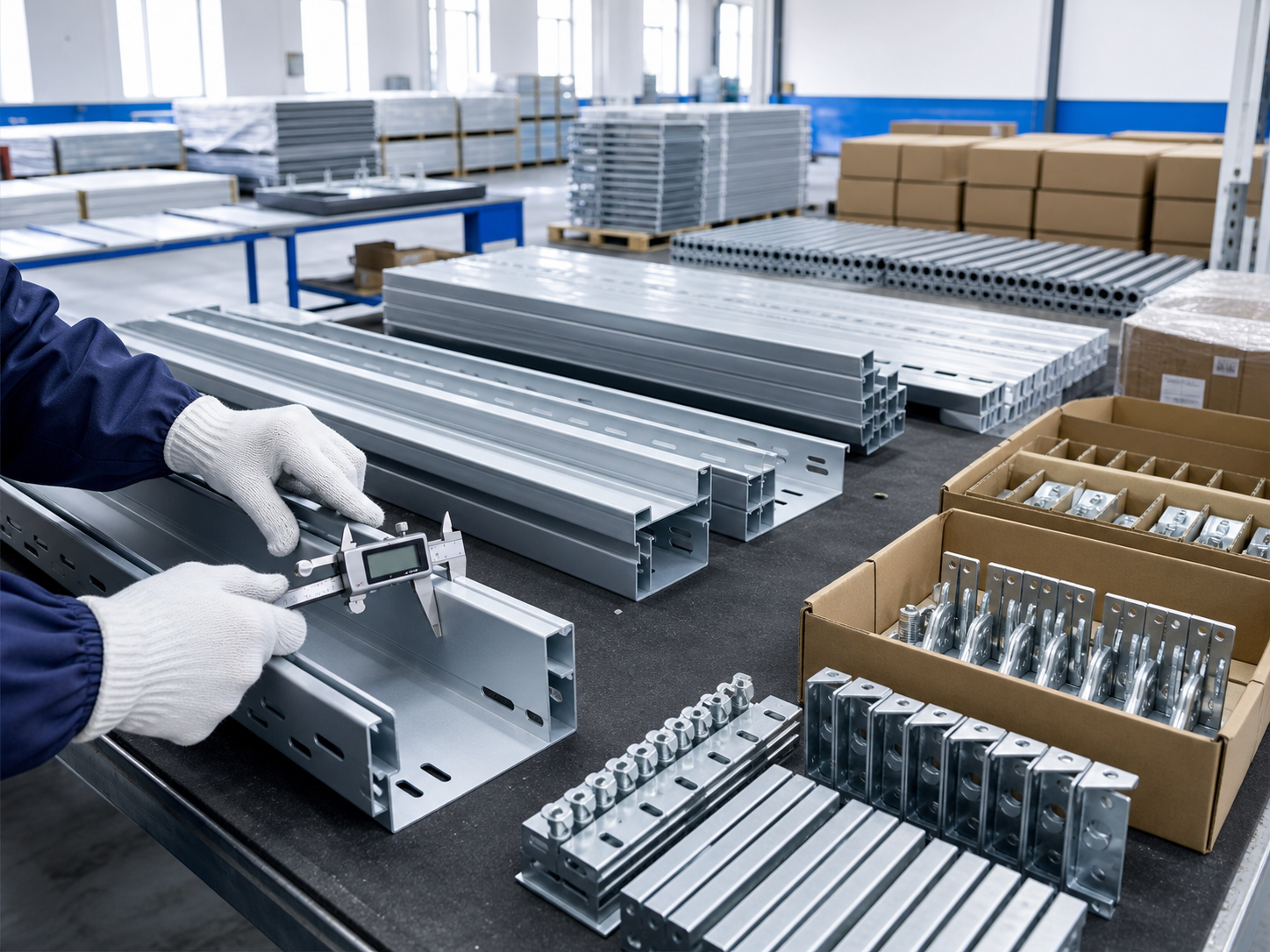
Solar cable tray quality inspection and export packing for project delivery

QUALITY & PACKING

Organized Inspection and Packing for Project Delivery

Cable tray projects depend on consistent dimensions, matched accessories, and clear packing. SolarMountX supports project supply with practical quality checks, organized accessory grouping, and export-ready packing for commercial and utility solar installations.

01

Dimension Review

Tray width, height, length, hole pattern, connector fit, and cover compatibility can be checked before shipment.

02

Accessory Matching

Connectors, bends, covers, brackets, bolts, clamps, and grounding parts are grouped according to project scope.

03

Surface and Finish Check

Aluminum and galvanized tray surfaces can be inspected for visible defects, coating consistency, and handling damage.

04

Export Packing Support

Tray sections and accessories can be packed by project batch, carton, pallet, or delivery sequence for easier receiving.

Discuss Packing Requirements

FAQ

Common Questions About Solar Cable Tray Systems

These questions help EPC contractors, installers, distributors, and project owners prepare the key information needed for cable tray selection and quotation.

What is a solar cable tray system used for?

A solar cable tray system is used to route, support, organize, and protect PV project cables. It helps keep cable paths clear across rooftop PV systems, solar farms, carports, energy storage sites, and industrial solar installations.

Which cable tray material should I choose?

Aluminum cable trays are often preferred for rooftop and carport projects where lower weight and corrosion resistance are important. Hot-dip galvanized steel trays are often used for ground-mount, industrial, and utility projects that need stronger outdoor support.

Can SolarMountX support custom cable tray sizes?

Yes. SolarMountX can discuss custom width, height, length, hole pattern, cover design, connector type, bracket style, material, finish, and packing method according to project drawings or BOM requirements.

What accessories are usually required?

Common accessories include tray covers, connectors, bends, support brackets, clamps, bolts, nuts, washers, grounding clips, bonding parts, and project-specific fixing components.

Can cable tray systems be used on commercial rooftops?

Yes. Cable trays can be used for commercial rooftop PV projects when the route, support method, roof type, waterproofing requirements, drainage paths, and maintenance access are reviewed before installation.

What information should I provide for a quotation?

Please share the project location, application type, cable route drawing, required tray dimensions, material preference, cable volume, accessories list, quantity, packing needs, target delivery time, and destination port.

Have a project-specific cable routing question?

Contact SolarMountX
REQUEST A PROJECT REVIEW

Your Global Cable Tray Systems Partner

From cable routing review to mass supply, SolarMountX provides reliable cable tray solutions with factory-direct manufacturing, practical project support, and global delivery capability.

Factory Direct Supply
Custom Cable Routing Support
Global Shipping Capability

Solar Cable Tray Manufacturer and Fabrication Scope

Before comparing solar cable tray manufacturers, define the route: confirm the PV cable path, support method, material and finish, covers, accessories, fabrication scope and project documents required for the installation.

Cable tray system comparison for PV projects

Route conditionTray approach to reviewChecks before selection
Open, visible cable routePerforated or ladder tray with defined supports and route changes.Ventilation, cable separation, bends, connectors, support locations and inspection access.
Exposure or physical-contact concernTray with covers or a protected route where the project design requires it.Cover fit, drainage, access for inspection, wind movement and contact with the roof or structure.
Corrosion-sensitive environmentAluminum or finished steel options matched to the site exposure.Material, finish, fasteners, dissimilar-metal interfaces and grounding or bonding scope.
Complex PV layoutProject-specific bends, connectors, brackets and route modules.Layout drawings, bill of materials, fabrication tolerances, packing and installation sequence.

What to confirm with a solar cable tray supplier

A useful solar tray cable fabrication review separates the tray body from the complete routing package. Ask which items are supplied, fabricated or sourced, and request the assumptions behind the route and support design.

  • Routing: submit the array, inverter, combiner and equipment locations together with the intended DC and AC cable paths.
  • Materials: confirm tray material, finish, cover type, fasteners and the project corrosion environment.
  • Accessories: list bends, tees, reducers, couplers, brackets, clamps, grounding parts and spare items in the BOM.
  • Support and installation: define the support concept, route transitions, roof or structure interfaces and the installation documents required.
  • Delivery scope: confirm drawings, packing labels, inspection records, exclusions and the handover information needed by the EPC or installer.

Solar cable tray RFQ checklist

Send a route drawing or marked-up plan, cable information, roof or ground application, environmental conditions, preferred material, cover requirements and the required delivery documents. If the final support spacing or grounding method depends on engineering review, label it as an open project input instead of assuming it.

Request a cable tray layout and BOM review · Compare solar walkway access planning · Review PV mounting accessories

Solar Cable Tray Manufacturer and RFQ Guide

Need a solar cable tray manufacturer for a PV project? Define the cable route, support interfaces, environment, material scope and required documents before comparing suppliers.

Solar Cable Tray Manufacturer: RFQ Requirements

Solar cable tray systems should be selected from the actual PV layout and cable-management route, not from a generic tray label. A useful request identifies the roof, ground-mount, carport or BESS application, the cable types and quantities, route length, bends, equipment interfaces, access constraints and environmental exposure.

  • Route and layout: provide the array plan, cable paths, crossings, bends, support points, equipment locations and maintenance access.
  • Material and environment: state corrosion exposure, roof or ground interface, drainage, temperature, UV, chemical exposure and any project finish requirements.
  • Support and connections: confirm span assumptions, attachment method, fasteners, bonding interfaces, expansion or movement details and coordination with the structure.
  • Supply boundary: separate tray, covers, fittings, supports, clamps, fasteners, bonding parts, fabrication, packing, freight and installation guidance.
  • Evidence: request the current drawings, BOM, material schedule, installation documents, inspection records, revision status and written exclusions.

Cable Tray Systems vs. Other PV Cable Routes

Which cable-management route fits the project?

Route to compareBetter suited whenLimits to verify
Cable trayThe project needs a defined, inspectable route with coordinated supports and fittings.Check support spacing, loading, drainage, corrosion, bonding and access details.
Clipped or supported cable routeThe layout is short or the structure provides a documented support interface.Check abrasion, movement, separation, attachment compatibility and inspection access.
Buried or protected routeThe site design requires a below-grade or protected transition between array and equipment.Check conduit or duct details, water ingress, pull access, warning measures and responsibility boundaries.

No route is universally best. The manufacturer response should show how cable support, structure, drainage, moving parts and maintenance access are coordinated for the specific PV layout.

Practical Solar Cable Tray Procurement Recommendation

Compare suppliers on documented interface details and delivery evidence rather than on a generic “heavy-duty” or “fast delivery” label. If the route crosses a roof, carport or tracker structure, coordinate the cable tray package with the mounting design and the installation sequence.

Use the solar walkway systems page when cable access and rooftop maintenance routes must be coordinated, review the solar mounting resource guidance for document types, and send the available route and BOM inputs through the solar mounting RFQ page.