
Non-Penetrating Solar Mounting for Flat Roofs
Ballast mounting systems are designed for flat roof projects where roof penetration should be minimized or avoided. The structure relies on ballast blocks, support frames, rails, and clamps to secure PV modules while helping protect the roof membrane.
This solution is commonly used on commercial buildings, warehouses, and industrial rooftops that need a stable solar mounting system with lower impact on the roof surface. SolarMountX can help review layout, roof load, wind load, and module size to match the project condition.
Reduced Roof Penetration
Helps limit roof drilling and supports membrane protection.
Flexible Layout
Can be arranged around roof size, load, and module configuration.
Commercial Rooftop Fit
Suitable for warehouses, factories, and other flat roof PV projects.
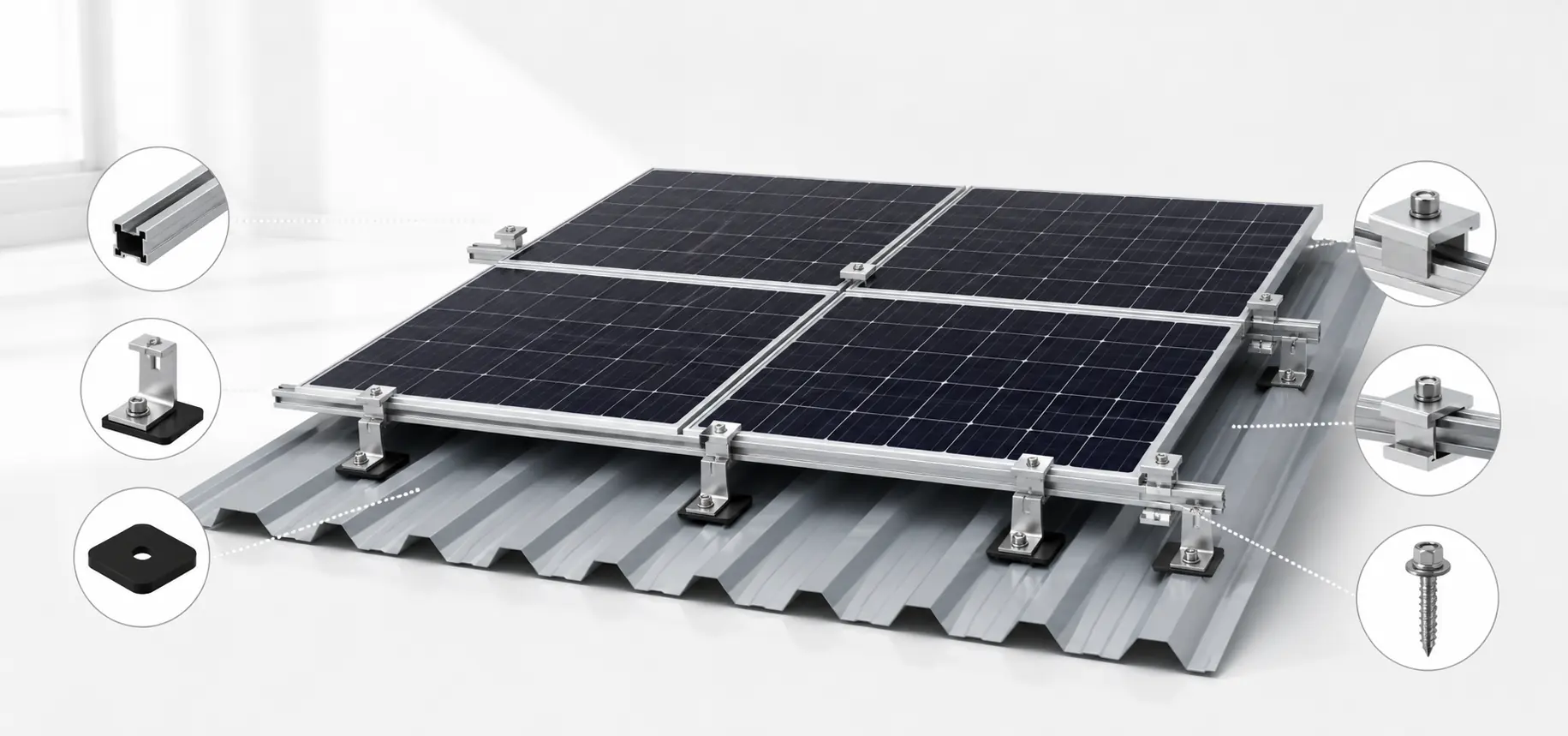
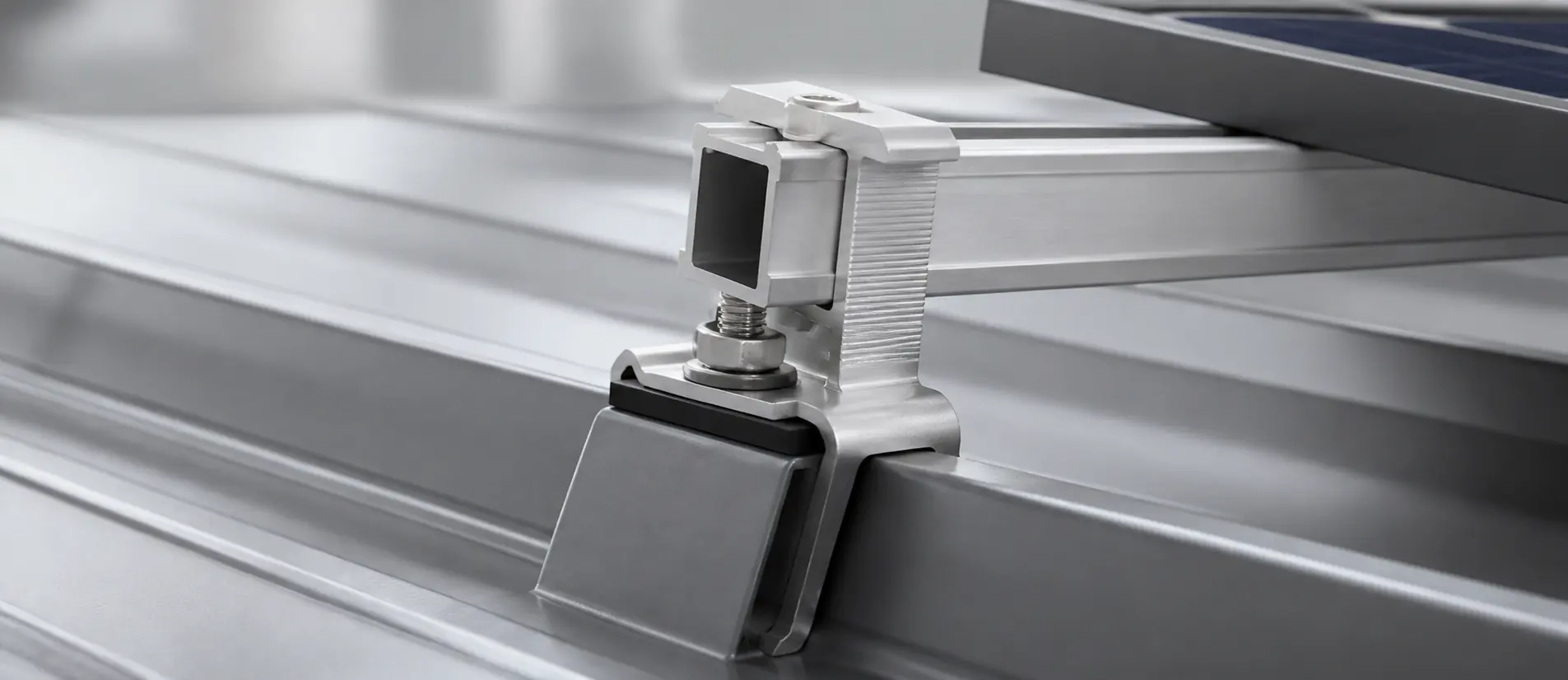
How the Ballast Mounting System Works
The ballast mounting structure uses carefully arranged ballast blocks, support frames, rails, and clamps to hold PV modules in place without penetrating the roof surface.
This structure helps distribute load across the roof, improve installation stability, and keep the system adaptable for different flat roof layouts. SolarMountX can review the project condition and suggest a suitable configuration based on roof load, wind load, and module arrangement.
Ballast Blocks
Create downward force to help stabilize the system on flat roofs.
Support Frames
Provide the main mounting angle and transfer load across the structure.
Rails and Splices
Keep modules aligned and maintain layout consistency across the roof.
Clamps and Fasteners
Secure the module position while supporting a clean non-penetrating setup.
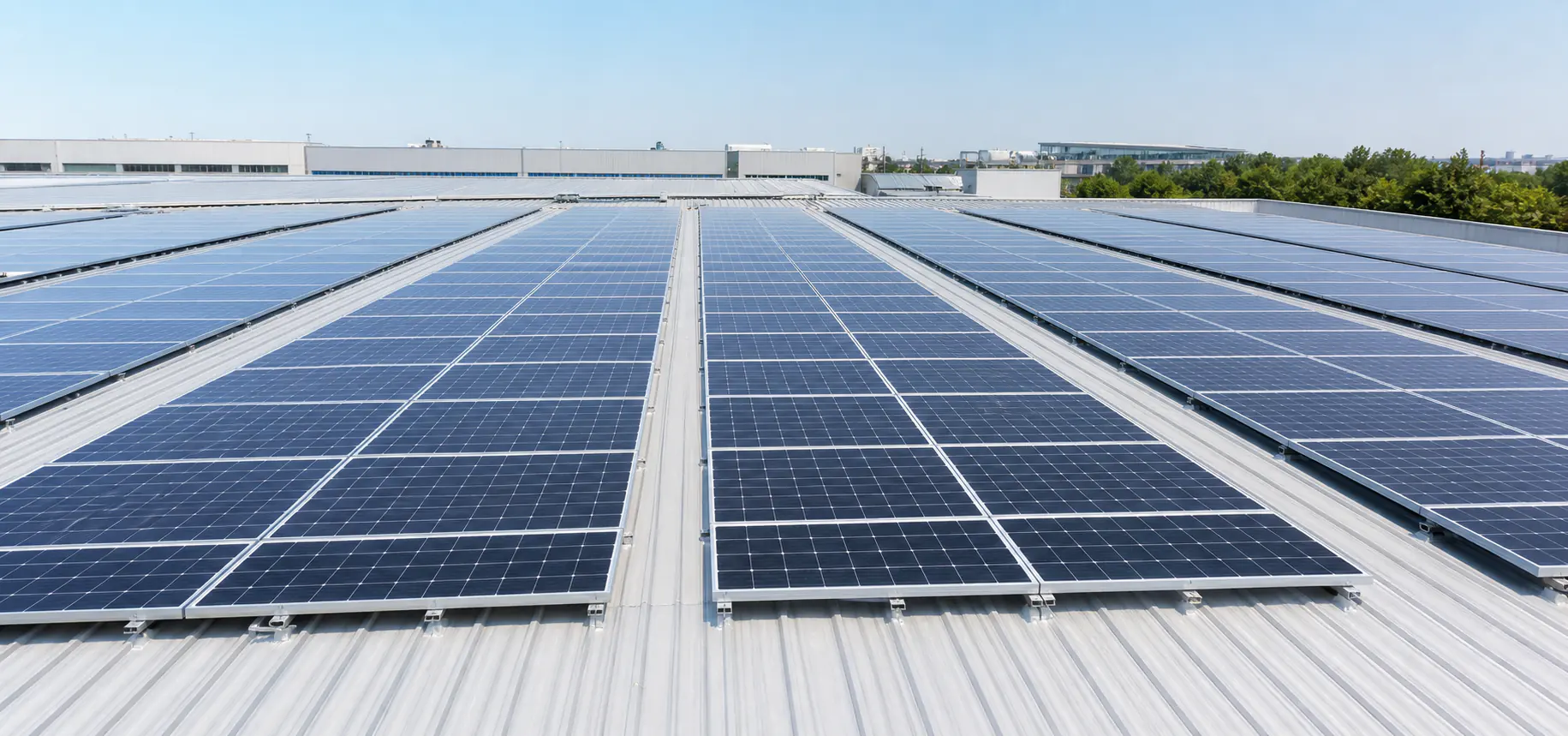
Typical Flat Roof Projects for Ballast Mounting Systems
Ballast mounting systems are often selected for flat roof projects that need a non-penetrating installation, stable layout, and lower impact on the roof membrane.
SolarMountX can help review the project condition, roof load, wind load, module size, and roof layout to determine whether a ballast solution is suitable for the site.
Commercial Buildings
Suitable for offices, retail rooftops, and mixed-use flat roof PV projects.
Warehouses
Useful for large roof areas that need simple layout planning and stable mounting.
Industrial Rooftops
Works well on factories and production facilities with flat roof conditions.
Roofs Requiring Lower Penetration
Good for projects where roof membrane protection is a higher priority.
Solar PV Mounting System Engineering Review
Use the information below as a procurement checklist. Final materials, attachment details, design loads, certificates and installation limits depend on the selected system, roof assembly and approved project documents.
Engineering specification checklist
| Materials | Confirm the selected aluminum, steel, stainless-steel and fastener grades in the approved bill of materials. |
|---|---|
| Design loads | Confirm local wind, snow, seismic, corrosion, thermal and other applicable criteria in the structural design. |
| Attachment and roof | Verify the roof profile, supporting members, attachment spacing, waterproofing detail and maintenance access. |
| Grounding and bonding | Use the system-specific installation documents and local electrical requirements to confirm the approved bonding path. |
| Certificates and standards | Request the current certificate, test report or code-compliance document and confirm that its scope covers the selected system. |
| Program eligibility | Where incentives or domestic-content rules matter, confirm eligibility from the selected bill of materials and current program requirements. |
Rail-based vs Rail-less Mounting Systems
| Selection factor | Rail-based | Rail-less |
|---|---|---|
| Potential fit | Useful when roof geometry, attachment positions or layout require rail adjustment. | Useful when the approved module and attachment pattern supports direct mounting. |
| Design inputs | Roof structure, rail span, attachment spacing and module layout. | Roof structure, attachment pattern and module-frame compatibility. |
| Procurement | Rails plus clamps and roof attachments. | Direct-to-attachment components plus approved clamps. |
| Final decision | Use the system-specific structural design, installation manual and local code review. | |
SolarMountX product questions
How are wind and snow values determined?
They are determined from the project location, roof assembly, layout, edge zones and applicable design criteria. Request the approved structural documents for the selected system.
Are certificates or test reports available?
Ask for the current certificate or test report and confirm the product, configuration and installation scope before relying on it for procurement or approval.
How should grounding and bonding be checked?
Use the selected system's installation documents together with local electrical requirements. Do not infer the final bonding path from a generic component description.
Ready for a project-specific mounting review?
Send the roof type, project scale, module layout and required deliverables for an EPC-oriented response.