
Complete Rooftop Solar Mounting Solutions For Different Roof Applications
SolarMountX provides complete rooftop solar mounting systems including pitched roof and flat roof solutions, engineered for different roof structures and project requirements.
Pitched Roof Mounting Systems
Engineered solar mounting solutions for pitched roofs, providing secure attachment, waterproof protection, and compatibility with various roof materials.
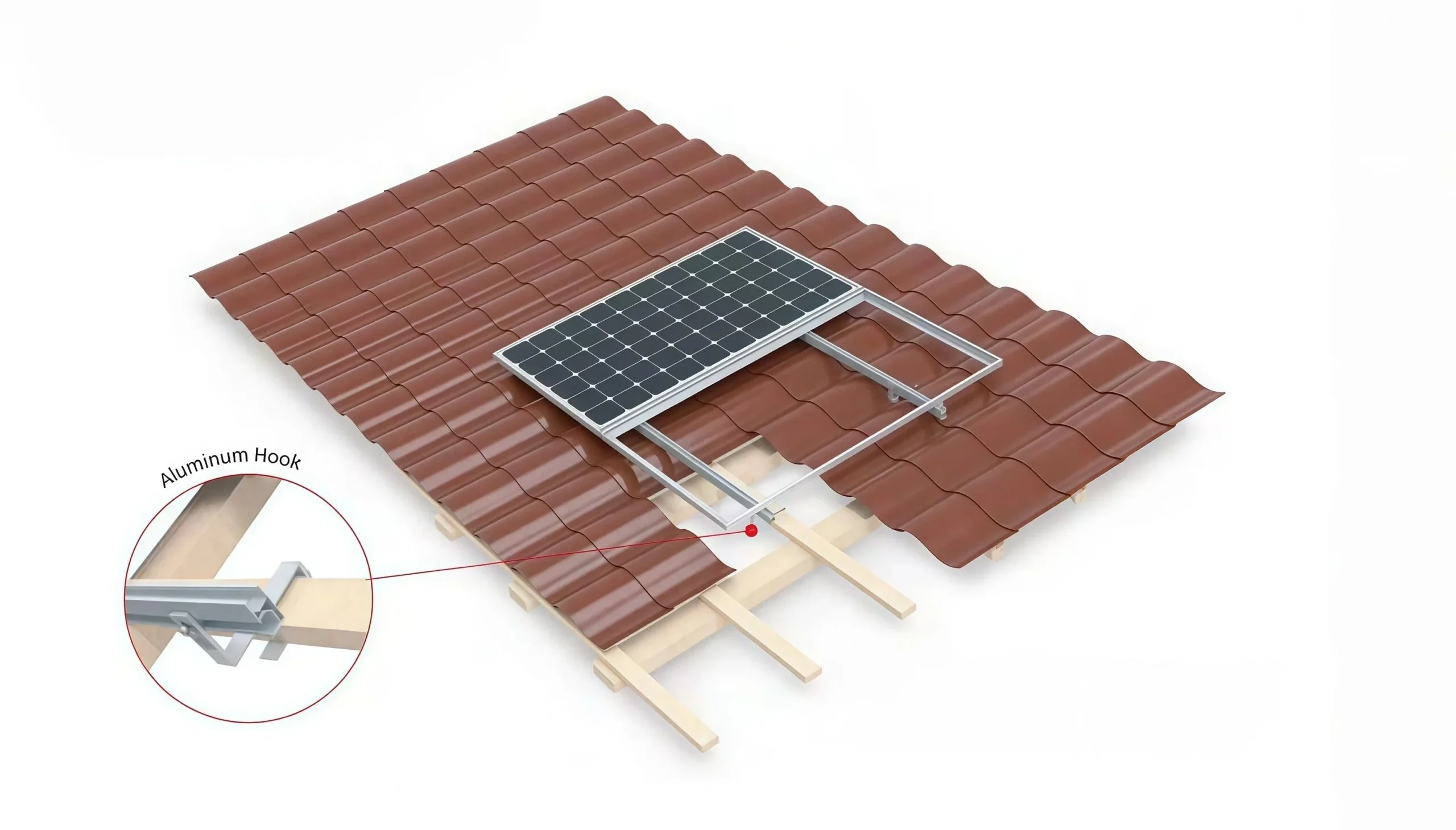
Tile Roof Mounting System
Reliable rooftop mounting solution designed for tile roof applications with secure attachment and long-term durability.
- Tile-friendly installation
- Roof protection design
- Long-term durability

Asphalt Shingle Roof Mounting System
Professional mounting solution designed for asphalt shingle roofs with reliable attachment and clean installation.
- Reliable roof attachment
- Easy installation
- Residential applications

Trapezoidal Sheet Roof Mounting System
Lightweight aluminum mounting solution designed for trapezoidal metal sheet roof applications.
- Direct roof fixing
- Lightweight structure
- Fast installation
Flat Roof Mounting Systems
Flexible flat roof solar mounting solutions designed for commercial and industrial rooftop projects with optimized layouts and reliable performance.

Ballast Mounting System
Non-penetrating flat roof solution designed to minimize roof impact while maintaining system stability.
- No roof penetration
- Flexible system layout
- Easy installation

Adjustable Mounting System
Adjustable tilt solution designed to optimize solar performance under different rooftop conditions.
- Adjustable tilt angle
- Optimized energy output
- Flexible applications
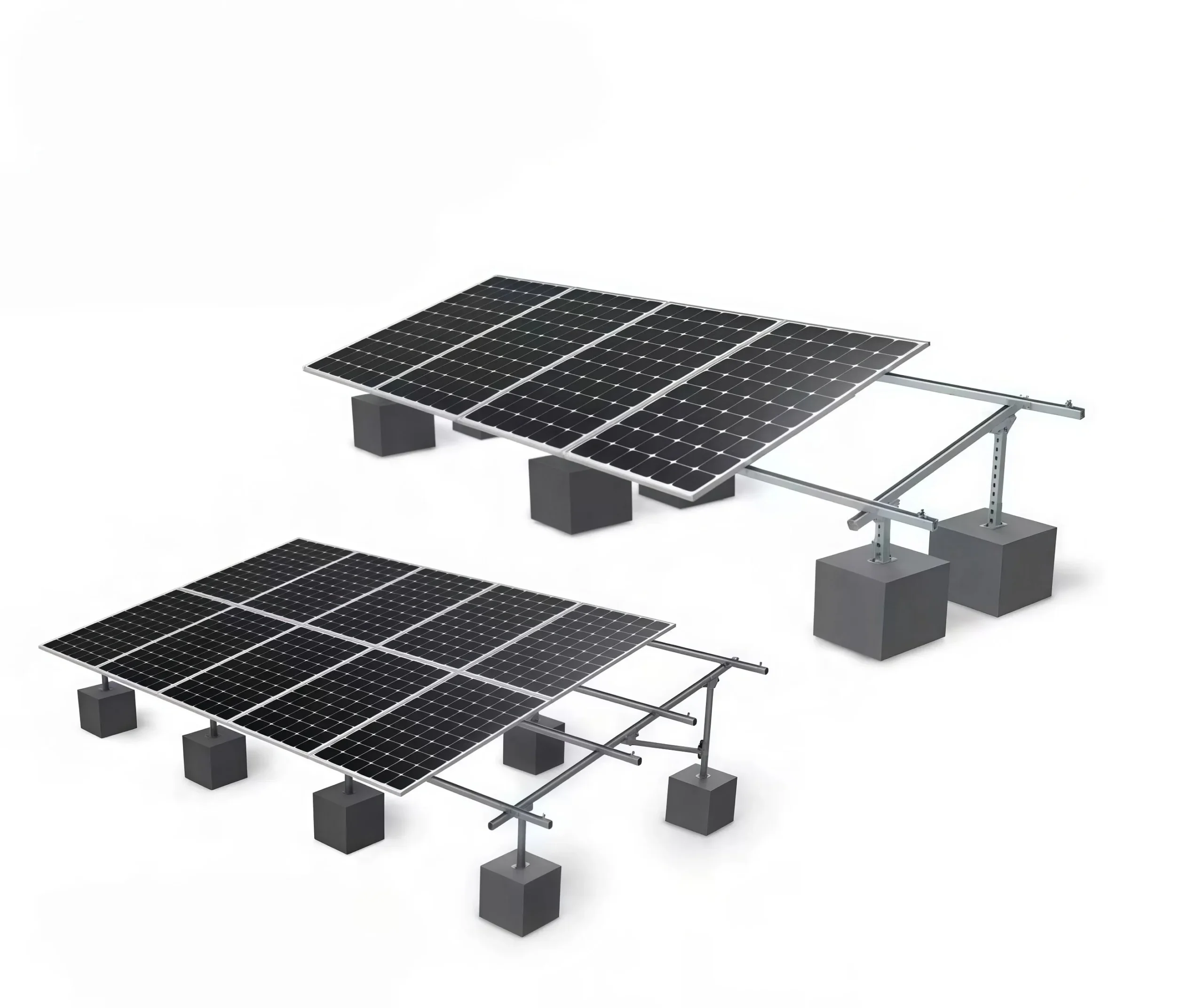
Flat Roof Steel Mounting System
Strong structural solution designed for steel roof applications and commercial solar projects.
- Steel roof compatibility
- Strong structure
- Commercial applications
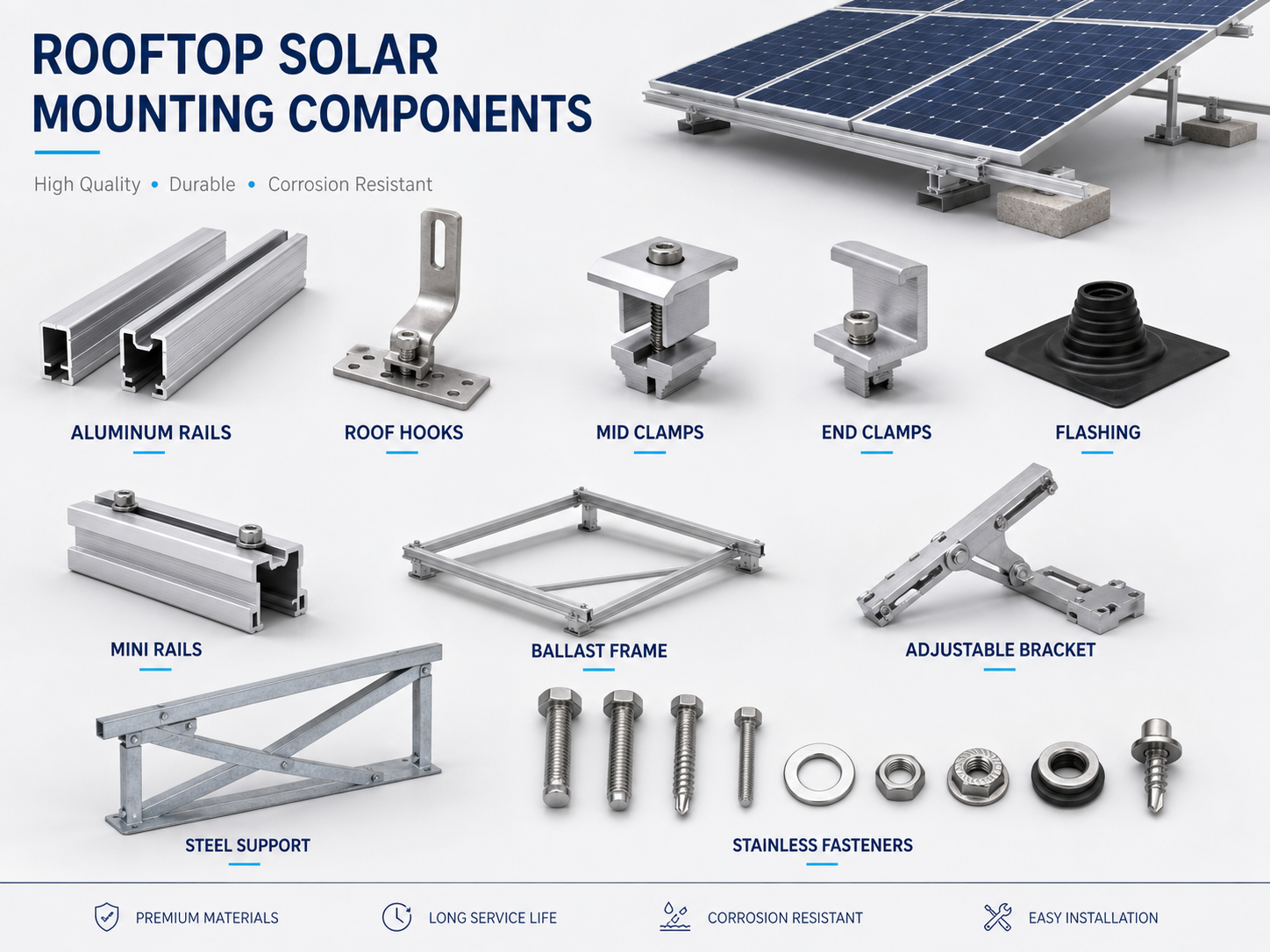
Rooftop Solar Mounting Components Built for System Compatibility
A complete rooftop solar mounting system normally includes roof attachments, rails, clamps, fasteners, waterproofing accessories, and optional support structures. The exact component combination depends on roof type, module layout, load requirements, and installation method.
Aluminum rails and connectors support module layout, rail span, and stable row alignment.
Roof hooks, L-feet, flashing, or mounting feet create suitable attachment points for pitched roofs.
Mid clamps, end clamps, screws, bolts, and stainless steel fasteners secure framed PV modules.
Ballast frames, adjustable brackets, and steel supports are used for flat roof or tilt-based layouts.
Waterproofing, Load Review, and Roof Compatibility
A rooftop solar mounting system should be selected with the roof condition, fixing method, module layout, and local load requirements in mind. SolarMountX supports project-based mounting recommendations for different rooftop PV installation conditions.
Roof Attachment Method
Tile hooks, flashing feet, mini rails, ballast frames, adjustable brackets, and steel supports are selected according to roof type and structural condition.
Waterproofing Detail
Flashing, EPDM sealing pads, roof membrane protection, and suitable fixing positions help reduce leakage risk when installed according to project requirements.
Wind and Snow Load Review
Rail span, clamp position, row spacing, ballast layout, and connection points should be reviewed based on project location and required load assumptions.
Corrosion and Material Choice
Anodized aluminum, galvanized steel, and stainless steel fasteners can be selected according to rooftop environment, coastal exposure, and project lifetime expectations.
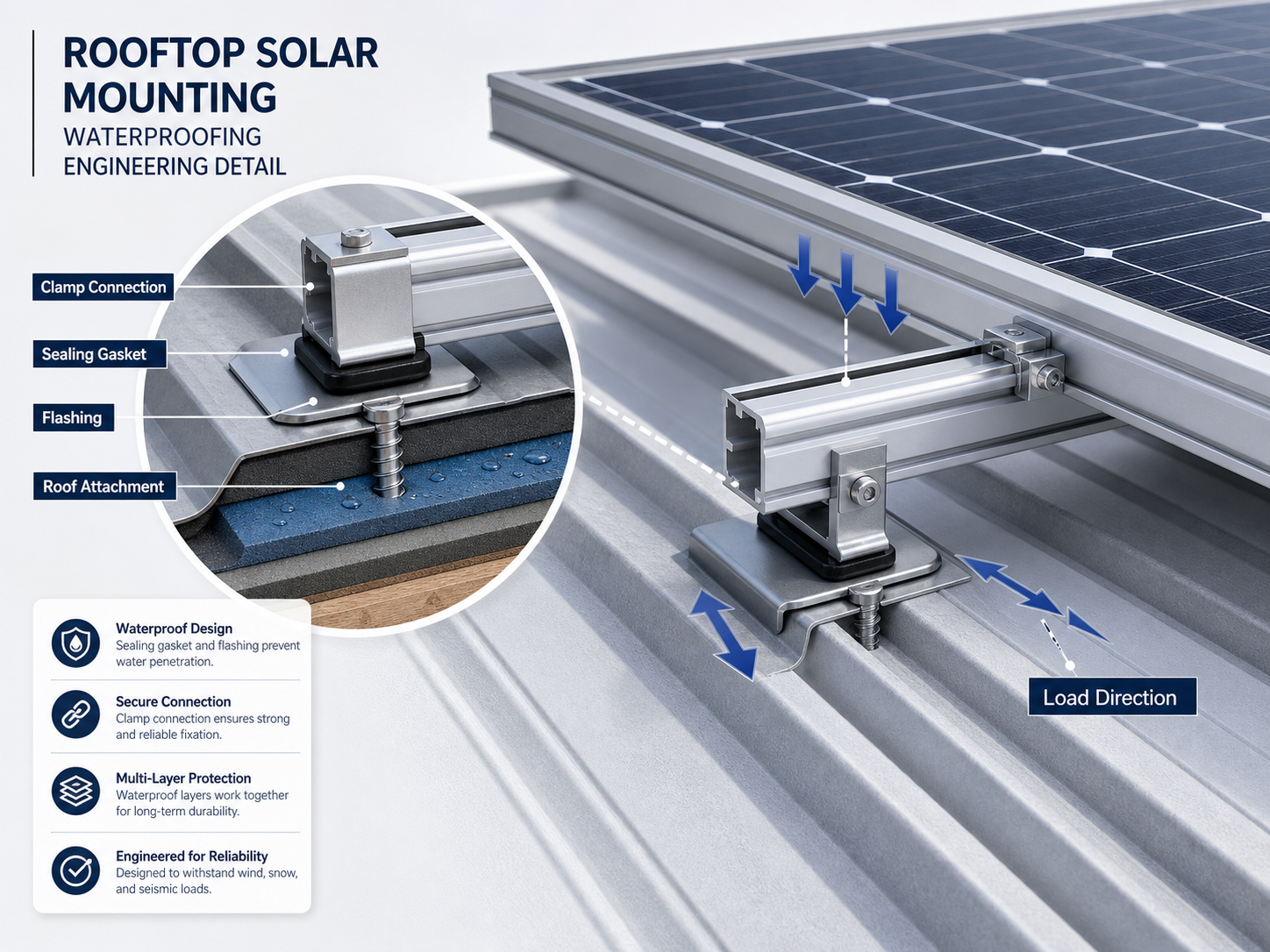
Rooftop Solar Mounting System Technical Data
SolarMountX rooftop solar mounting systems can be configured for different roof types, module orientations, material requirements, and project load conditions. Final specifications should be confirmed according to roof structure, project location, and module layout.

Rooftop Mounting Solutions for Different Building Applications
SolarMountX rooftop solar mounting systems can support residential, commercial, industrial, agricultural, and retrofit PV projects. Each application may require different roof attachments, materials, layout planning, and waterproofing details.
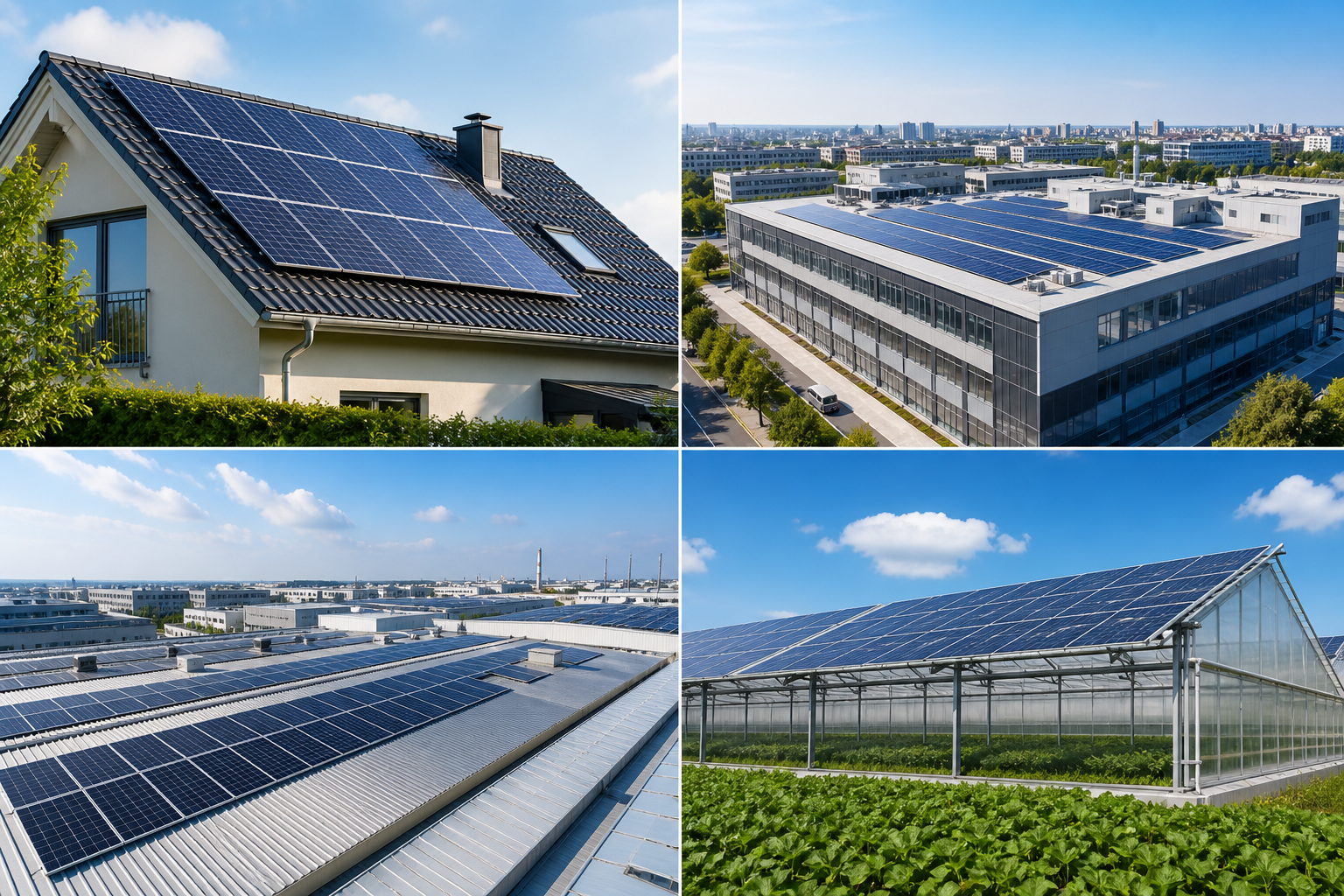
Residential Rooftops
Compact mounting solutions for tile and asphalt shingle roofs where clean installation and roof protection matter.
Commercial Buildings
Roof mounting systems for offices, shopping centers, warehouses, and public buildings with project-based layouts.
Industrial Roofs
Durable mounting options for factories, logistics centers, and large metal roof PV installations.
Agricultural Buildings
Solar roof mounting support for farm buildings, storage facilities, and agricultural rooftops.
Flat Commercial Roofs
Ballasted, adjustable, or steel structure options for flat roof PV projects with load and layout review.
Retrofit Roof PV Projects
Mounting system review for replacement, expansion, or upgrade projects on existing rooftop PV sites.
How SolarMountX Supports Rooftop Solar Projects
From roof information review to component selection, SolarMountX helps project teams prepare a suitable rooftop solar mounting solution based on roof type, module layout, load requirements, and delivery needs.
Share Project Information
Send roof type, module size, project location, roof photos, drawings, and preliminary layout if available.
Review Mounting Method
SolarMountX reviews roof structure, attachment method, wind load, snow load, waterproofing needs, and system type.
Confirm Components and Documents
Confirm rails, clamps, roof attachments, support structures, datasheet, sample needs, or project drawings.
Arrange Production and Delivery
After confirmation, production, packing, quality inspection, and global shipment can be arranged according to project schedule.

Rooftop Solar Mounting System Selection Guide
Match the attachment to the roof: a commercial rooftop PV mounting system needs a defined roof type, structural support, waterproofing detail, environmental loads and maintenance plan before hardware is specified.
| Roof or project need | First checks | Relevant SolarMountX path |
|---|---|---|
| Tile roof | Tile profile, hook position, rafter location, flashing or waterproofing detail and roof access. | Tile roof mounting system |
| Metal or sheet roof | Sheet profile, purlin or structural support, attachment method, drainage and corrosion exposure. | Confirm the roof-specific mounting design and fastening scope. |
| Flat roof or limited penetration | Roof membrane, ballast or attachment approach, wind exposure, loading and maintenance routes. | Confirm roof capacity, layout, waterproofing and project permitting requirements. |
| Maintenance access and cable routing | Walkway loading, safe access, cable separation, roof protection and inspection workflow. | Solar walkways and solar cable tray systems |
What to include in a rooftop mounting RFQ
Provide roof drawings or photographs, roof construction and age when known, module dimensions, layout, design loads, cable-routing needs, access requirements and the required drawings or bill of materials. If a condition is uncertain, note it rather than assuming compatibility.
Use the SolarMountX project support page for a project-specific review and see the mounting resources before finalizing the specification.
For inverter-side fault symptoms after rooftop PV installation, review the solar inverter ground-fault troubleshooting guide for safe isolation, cable and connector checks, grounding evidence and qualified inspection boundaries.
Solar PV Mounting System Engineering Review
Use the information below as a procurement checklist. Final materials, attachment details, design loads, certificates and installation limits depend on the selected system, roof assembly and approved project documents.
Engineering specification checklist
| Materials | Confirm the selected aluminum, steel, stainless-steel and fastener grades in the approved bill of materials. |
|---|---|
| Design loads | Confirm local wind, snow, seismic, corrosion, thermal and other applicable criteria in the structural design. |
| Attachment and roof | Verify the roof profile, supporting members, attachment spacing, waterproofing detail and maintenance access. |
| Grounding and bonding | Use the system-specific installation documents and local electrical requirements to confirm the approved bonding path. |
| Certificates and standards | Request the current certificate, test report or code-compliance document and confirm that its scope covers the selected system. |
| Program eligibility | Where incentives or domestic-content rules matter, confirm eligibility from the selected bill of materials and current program requirements. |
Rail-based vs Rail-less Mounting Systems
| Selection factor | Rail-based | Rail-less |
|---|---|---|
| Potential fit | Useful when roof geometry, attachment positions or layout require rail adjustment. | Useful when the approved module and attachment pattern supports direct mounting. |
| Design inputs | Roof structure, rail span, attachment spacing and module layout. | Roof structure, attachment pattern and module-frame compatibility. |
| Procurement | Rails plus clamps and roof attachments. | Direct-to-attachment components plus approved clamps. |
| Final decision | Use the system-specific structural design, installation manual and local code review. | |
SolarMountX product questions
How are wind and snow values determined?
They are determined from the project location, roof assembly, layout, edge zones and applicable design criteria. Request the approved structural documents for the selected system.
Are certificates or test reports available?
Ask for the current certificate or test report and confirm the product, configuration and installation scope before relying on it for procurement or approval.
How should grounding and bonding be checked?
Use the selected system's installation documents together with local electrical requirements. Do not infer the final bonding path from a generic component description.
Ready for a project-specific mounting review?
Send the roof type, project scale, module layout and required deliverables for an EPC-oriented response.
Related solar mounting guides: Solar mounting system components guide · Solar mounting system design guide.
Solar Roof Mounting System EPC Guide
For commercial rooftop PV procurement, read the Solar Roof Mounting System: EPC Engineering and Procurement Guide before comparing roof interfaces, load paths, waterproofing details and RFQ requirements. For Spanish or bitumen tile profiles, use the Spanish and bitumen tile roof mounting system guide to organize profile, roof-layer and attachment inputs.
For fragile slate roofs, use the slate tile roof mounting system guide to verify slate condition, rafters, waterproofing and project-specific RFQ documents before selecting hooks or rails.