Aluminum Fixed Tilt Racking: 60m/s Coastal Solar Mounts
For coastal solar farms located within 5 km of saltwater, standard galvanized steel racking often fails within 8 years due to accelerated oxidation. Our 60m/s tested aluminum fixed tilt solar racking is specifically engineered to eliminate corrosion and high-wind risks over a full 25-year lifecycle—ensuring zero ongoing maintenance for utility-scale assets.
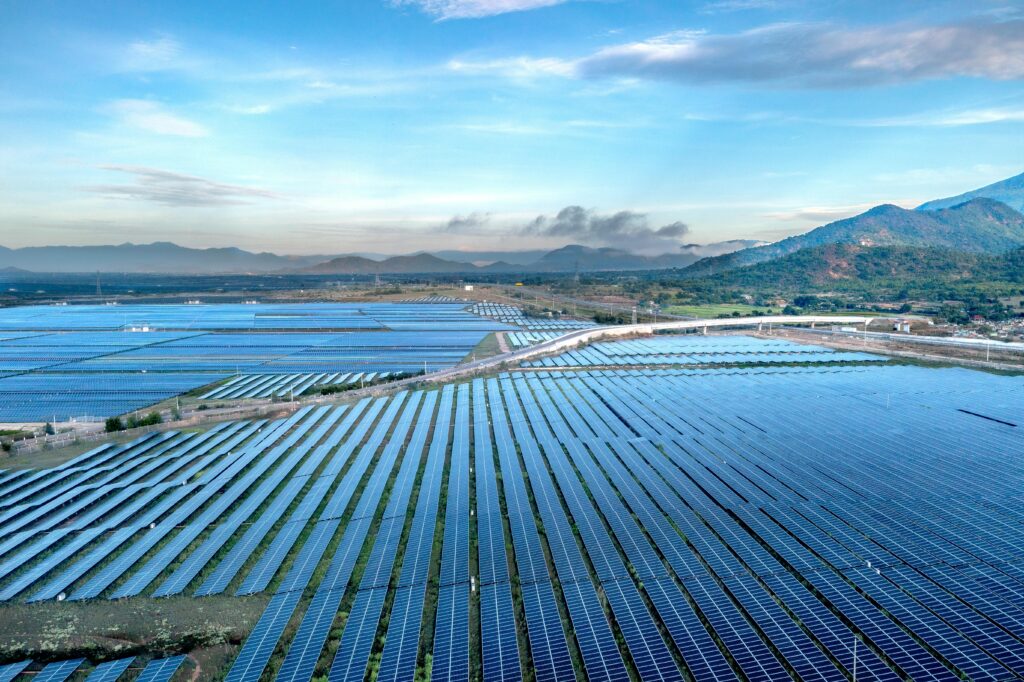
Who This Aluminum Racking System Is For
Not every solar project requires this ultra-high specification. Our utility-scale aluminum PV mounting makes strategic economic sense when three conditions overlap:
- Proximity to Coast: Distance to coastline < 8 km OR annual salt-spray classification ≥ C4 (ISO 12944).
- Extreme Wind Zones: Design wind speed > 45 m/s (100+ mph) or ASCE 7-22 compliance is required.
- Low-Maintenance Mandate: No regular maintenance team on-site (remote or semi-supervised operation).
Typical buyers include: Mid-size EPCs (10–100 MW), Independent Power Producers (IPPs), and Municipal utilities with 25-year PPA obligations.
Why Aluminum Fixed Tilt Racking Outperforms Galvanized Steel in Coastal Settings
In high-salinity coastal environments, standard galvanized steel develops “white rust” and edge creep within 5–8 years. This leads to unplanned OPEX, costly module re-leveling, and potential structural recertification.
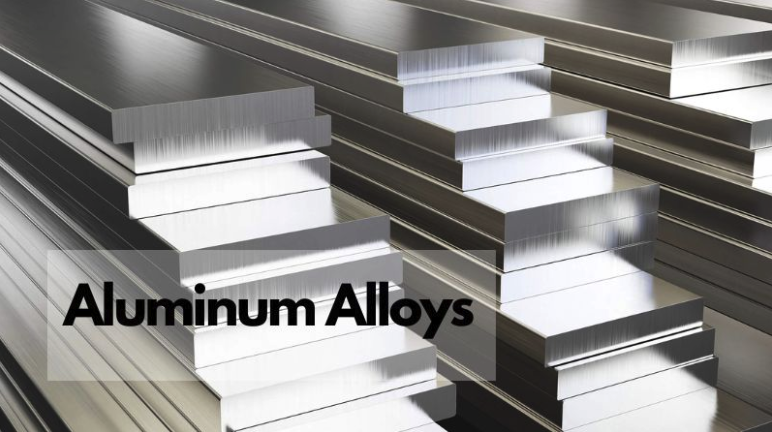
Our corrosion-resistant aluminum solar racking isn’t just a “lighter” option; it is a structural necessity to eliminate lifecycle risks. By utilizing AL6005-T5 aluminum with a 10μm+ anodized layer, the system creates a self-sealing protective barrier that thrives in salt-mist and industrial fallout zones.
Technical Edge: Aluminum Fixed Tilt Racking with 60m/s Wind Resilience & Terrain Following
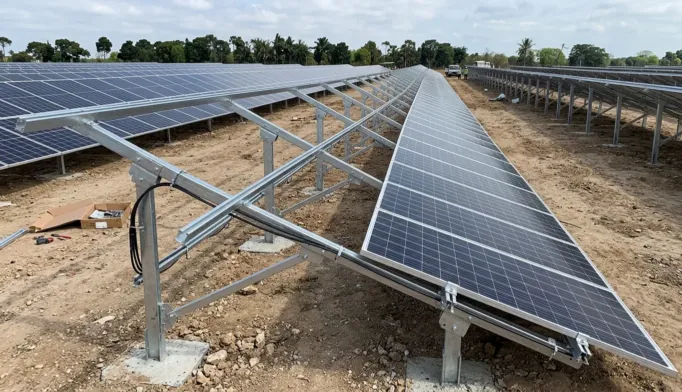
Most suppliers publish wind load claims, but few back them up with material-specific testing data. Our high wind load aluminum fixed tilt solar systems feature:
1. ASTM B117 Salt-Spray Excellence
Third-party testing shows no substrate corrosion beyond 3,000 hours, ensuring the system exceeds the standard 25-year lifespan in the harshest coastal environments.
2. ±15° Terrain Following (No Grading Needed)
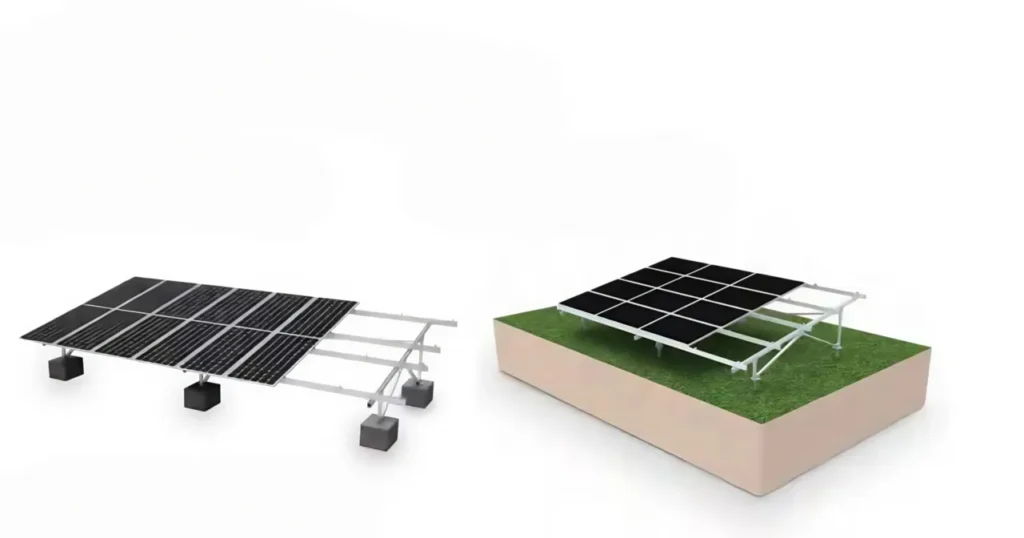
Coastal sites are rarely flat. Dunes and drainage swales often force extensive land grading—a cost that can kill project ROI. Our adjustable connectors allow up to ±15° terrain following without cutting or filling. Previously “unbuildable” coastal parcels become viable for our versatile aluminum fixed tilt racking.
3. Comparison: Steel vs. Aluminum for a 50 MW Coastal Farm
| Feature | Galvanized Steel Racking | SolarMountX Aluminum System |
| Maintenance | Touch-up coating every 6–8 years | Zero coating maintenance |
| Weight | 100% (Baseline) | ~40% Lighter (Saves on crane costs) |
| Installation Speed | Standard | 28% Faster (Field-verified) |
| Lifecycle Cost | High (Due to unplanned OPEX) | Lowest TCO (Total Cost of Ownership) |
Aluminum Fixed Tilt Racking Installation Speed: Cutting Labor & Crane Dependency
Heavy steel racking requires either a 50-ton crane or massive ground crews. On soft coastal soil, crane mobilization alone can add $15k–30k per site.
Our fast-install aluminum fixed tilt racking is 40% lighter than steel, offering:
- Zero Crane Dependency: Smaller, more cost-effective equipment can be used.
- Pre-assembled Sections: Reduces man-hours per MW and accelerates the Commercial Operation Date (COD).
- Foundation Flexibility: Seamlessly interfaces with Ground Screws, driven piles, or concrete ballasts. (Note: Ensure link points to the corrected ‘ground’ URL).
Technical Summary (Engineering Review)
| Parameter | Value |
| Material | AL6005-T5, Anodized 10μm min |
| Wind Resistance | 60 m/s (ASCE 7-22 & Eurocode compliant) |
| Terrain Slope | ±15° without grading |
| Bifacial Ready | Yes (Rear-side shading < 3%) |
FAQ: Aluminum Fixed Tilt Racking for Coastal Solar Projects
Q: Does aluminum cost more upfront than steel?
A: While material costs are typically 8–12% higher, the 20–30% lower installed cost (due to labor and crane savings) and zero maintenance make it the most cost-effective choice for coastal sites over 25 years.
Q: How do you prevent galvanic corrosion with steel foundations?
A: We use proprietary insulated brackets (EPDM or nylon isolation) at every steel-aluminum interface, ensuring the integrity of the aluminum fixed tilt solar structures for the entire project life.
Next Step: Free Coastal Site Feasibility Check
Instead of a generic quote, SolarMountX provides a 1-page site compatibility summary tailored to your project coordinates. We analyze salt-mist zones and suggest the optimal foundation based on your soil profile.
Ready to optimize your coastal project?
Contact our engineering team at info@solarmountx.com visit our Aluminum Ground Mount Product Page for more technical data.
About the Author
Dr. Yang Ge, PE
Senior Solar Infrastructure Specialist & Corrosion Control Consultant
Dr. Yang Ge is a professional engineer with over 15 years of experience in global renewable energy infrastructure. A specialist in corrosion science and advanced material durability, Dr. Ge has led structural engineering designs for utility-scale solar projects across diverse high-salinity and extreme-climate regions. He is a passionate advocate for long-term asset integrity and is currently focused on optimizing international maintenance standards to secure a 30-year operational life for PV infrastructure.
Published: May 2026