
Warped Rafter Fix: Adjustable Solar Hooks for Tile Roofs
Warped rafters are a persistent headache for solar installers specializing in retrofitting older tile roofs, particularly those constructed between 1970 and 1995. During this era, natural timber settling and aged wooden rafters often bowed by an inch or more, creating an uneven substrate that modern, rigid solar arrays struggle to accommodate without the use of Adjustable Solar Hooks. When using fixed-height hardware on these irregular surfaces, you aren’t just facing an aesthetic issue; you are facing a structural liability. Fixed hooks rely on the assumption that rafters are perfectly straight—a problem that only Adjustable Solar Hooks can effectively resolve.
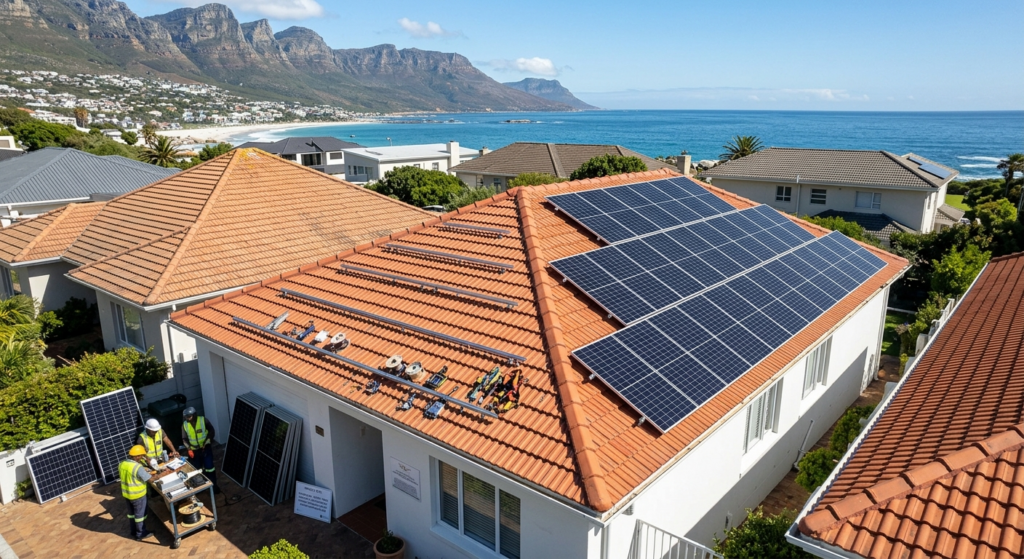
Why Fixed Hooks Fail on Aged Tile Roofs
If your mounting points aren’t level, the tension is transferred directly to the PV modules. This leads to:
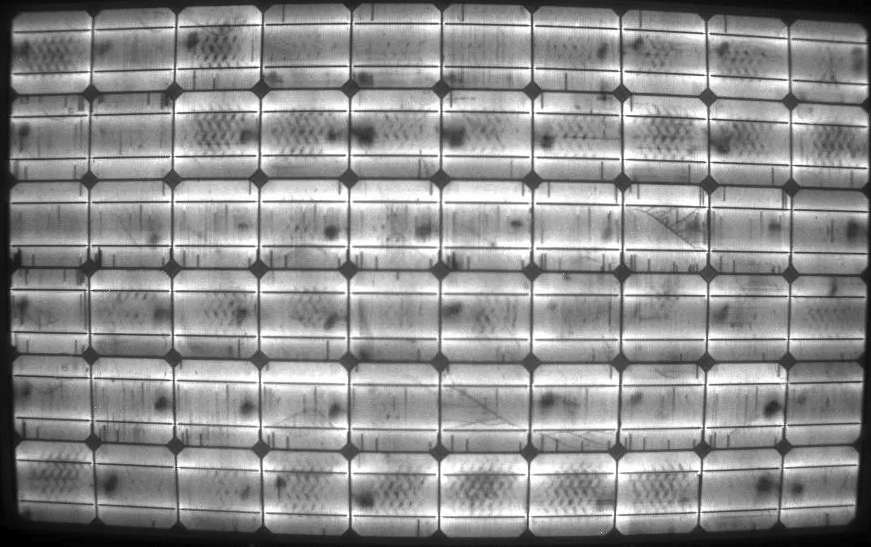
- Micro-cracks in Silicon Cells: Invisible damage that leads to long-term energy production loss.
- Compromised Structural Integrity: Misaligned rail clamps cannot achieve full torque specifications.
- Water Pooling: Uneven array placement creates “valleys” where debris and water collect, increasing leak risks.
- Failed Building Inspections: Visible “wavy” arrays often trigger safety re-evaluations by local authorities.
Technical Solution: Independent Height Calibration with Adjustable Solar Hooks
The solution lies in Adjustable Solar Hooks designed specifically for warped rafter retrofits. Unlike traditional hardware, these hooks allow for independent vertical calibration of each mounting point. This ensures a perfectly level array plane — even when the underlying rafters are significantly crooked.
Pro Tip: By utilizing a laser level across the primary array plane, installers can adjust SolarMountX hooks to compensate for rafter dips of up to 50mm without using a single plastic shim.
Case Study: 1982 Clay Barrel Tile Retrofit (Tucson, AZ)
A recent retrofit project on a 1982 Spanish-style home illustrates the dramatic efficiency gains of adjustable hardware.
| Feature | Fixed Hook + Shims (Estimate) | SolarMountX Adjustable Hook (Actual) |
| Roof Type | 40-Year-Old Clay Barrel Tile | 40-Year-Old Clay Barrel Tile |
| Rafter Variance | 1.25″ Warp over 40 ft | 1.25″ Warp over 40 ft |
| Install Time | 2 Full Days + Grinding | 1 Day |
| Tile Breakage | ~15% Replacement Required | Zero Damage |
“We stopped carrying shims after the first warped rafter job. The ability to level to the laser line rather than the tile surface saved us nearly 10 man-hours on this single 8kW project,” says Miguel R., Lead Solar Installer.
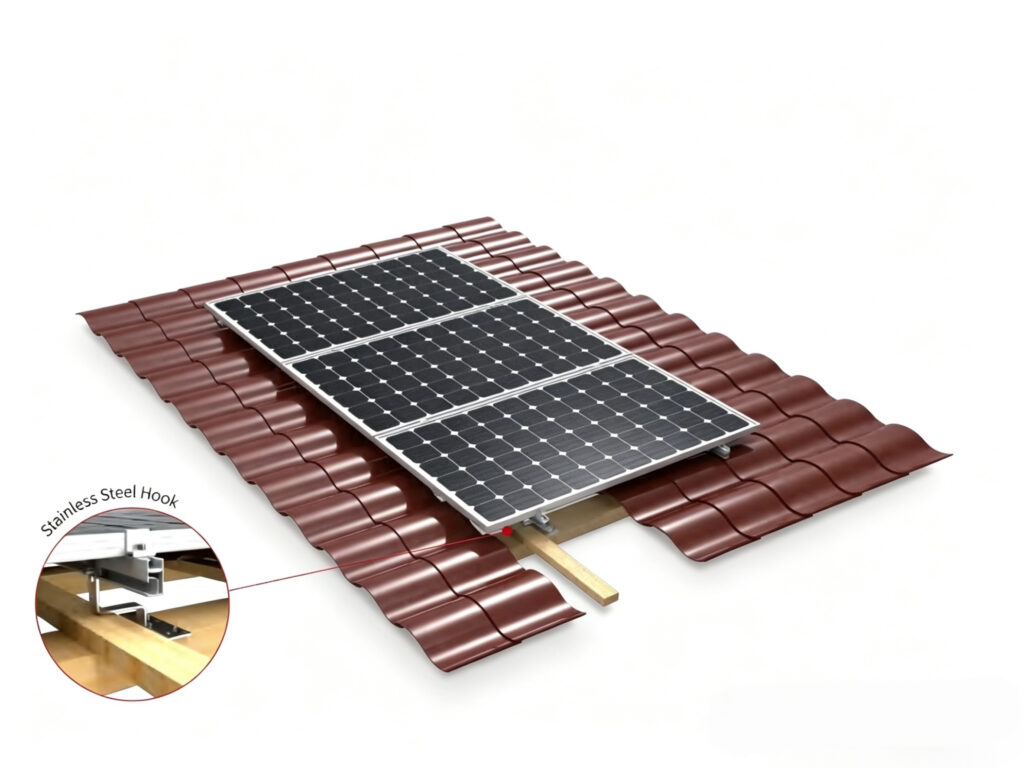
Professional Installation Guide: Leveling Warped Rafters
To ensure your Solar Retrofitting project is code-compliant and “rework-free,” follow this professional 4-step workflow:
Step 1: Precision Rafter Mapping Use a high-density stud finder to mark rafter centers. Do not assume rafters run in a straight line from eave to ridge; mark at least three points along the intended rail run to account for lateral warping.
Step 2: Direct-to-Rafter Attachment Drive structural wood screws through the adjustable solar hook base. Note that the base may sit at an angle due to the warped timber. This is acceptable, as the structural pull-out strength comes from full thread engagement, not a level baseplate.
Step 3: Laser-Guided Height Calibration Run a laser level or string line from the first to the last hook in a row. Loosen the single-bolt adjustment mechanism on the Adjustable Solar Hooks and slide the arm to meet the level line. This ensures the rails remain flat regardless of the “wavy” tiles beneath.
Step 4: Final Locking & Rail Mounting Once aligned, torque the adjustment bolts to the specified 20Nm. The solar rail will now sit perfectly flush. This eliminates the mechanical tension that typically causes module glass breakage over time.
Labor & ROI Analysis: Why B2B Contractors are Switching
For commercial solar contractors, the “Cost per Watt” is heavily influenced by on-roof labor time. Our data from 22kW of retrofits shows a clear advantage:
- Leveling Time: Reduced from 40 minutes per 10 hooks to just 10 minutes.
- Zero Tile Grinding: Protects old, brittle tiles that are no longer in production and hard to replace.
- Total Labor Savings: An average of 65% reduction in mounting hardware installation time.
[Calculate Your Potential Savings with our ROI Tool]
Key Features of SolarMountX Adjustable Solar Hooks
When sourcing hardware for old tile roof retrofits, prioritize these TUV-certified features found in the SolarMountX line:
- ≥50mm Height Range: Sufficient to cover even the most extreme 2-inch rafter warps.
- Pre-assembled Design: No loose nuts or washers, minimizing the risk of hardware loss on high-pitched roofs.
- Universal Orientation: Fully compatible with both Portrait and Landscape layouts without additional adapters.
- Heavy-Duty Load Rating: Tested to 1200N pull-out strength even at maximum vertical extension.
Frequently Asked Questions
Q: Are adjustable hooks as strong as fixed hooks?
A: Yes. When engineered with reinforced sliding tracks and high-tensile bolts (like the SolarMountX series), they meet or exceed UL 2703 standards for wind loads up to 60m/s.
Q: Do these work with Flat, Spanish, and W-shaped tiles?
A: Our universal arm design is compatible with the most common clay and concrete tile profiles found in the US and Australian markets.
Build Straighter. Build Faster. Build with SolarMountX.
Stop fighting the roof and start working with it. For installers tired of warped rafters, broken tiles, and failed inspections, SolarMountX provides the professional foundation your projects deserve.
[Request a Wholesale Quote] | [Download Technical Load Tables] | [Contact our Engineering Team]
SolarMountX: The Professional Solution for Complex Tile Roof Retrofits.
About the Author
Dr. Yang Ge, PE
Senior Solar Infrastructure Specialist & Corrosion Control Consultant
Dr. Yang Ge is a professional engineer with over 15 years of experience in global renewable energy infrastructure. A specialist in corrosion science and advanced material durability, Dr. Ge has led structural engineering designs for utility-scale solar projects across diverse high-salinity and extreme-climate regions. He is a passionate advocate for long-term asset integrity and is currently focused on optimizing international maintenance standards to secure a 30-year operational life for PV infrastructure.
Published:May 2026