
ZAM vs HDG: Zinc-Magnesium-Aluminum PV Evolution
The Global Landscape: Why Utility-Scale Ground Mounts Are Expanding with ZAM (Zinc-Magnesium-Aluminum)
The global solar market is currently witnessing a massive transition toward large-scale (centralized) ground-mounted projects. From the desert plains of the Middle East to the green energy auctions (GEA) in the Philippines, utility-scale installations are becoming the backbone of national energy grids. As projects scale up to hundreds of megawatts, the selection of mounting materials—such as ZAM (Zinc-Magnesium-Aluminum)—is no longer just a technical detail—it is a critical financial decision that impacts the project’s Levelized Cost of Energy (LCOE).
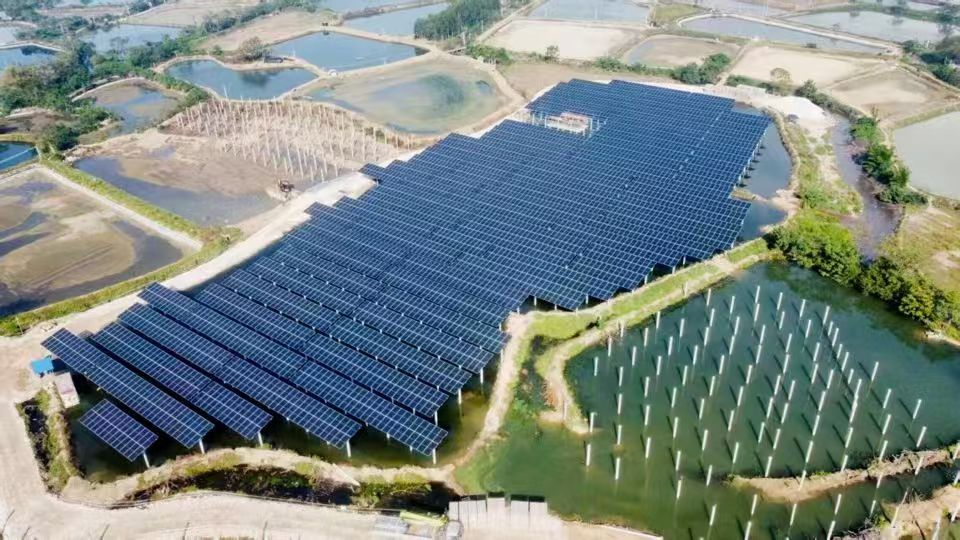
The Core Dilemma: Choosing the Right “Skeleton” for Your Solar Farm
In modern ground-mounted projects, the structural ’skeleton’ must withstand 25 to 30 years of environmental exposure. Currently, the market is dominated by two primary steel-based solutions: traditional Hot-Dip Galvanized (HDG) steel and the rapidly adopting Zinc-Aluminum-Magnesium (ZAM) steel.
- Hot-Dip Galvanized (HDG) Steel: The traditional industry standard.
- Zinc-Magnesium-Aluminum (ZAM) Coating: The high-tech successor gaining rapid market share.
Technical Comparison: HDG vs. ZAM
| Feature | Hot-Dip Galvanized (HDG) | Zinc-Magnesium-Aluminum (ZAM) |
| Coating Process | Post-fabrication dipping in molten zinc. | Pre-coated steel coil with alloy infusion. |
| Corrosion Resistance | Excellent in standard environments. | Superior (up to 5-10x better) in high-salt/ammonia. |
| Self-Healing Ability | Minimal; scratches lead to rust. | Advanced; “self-heals” at cut edges and scratches. |
| Installation Weight | Heavier due to thick zinc layers. | Lighter yet stronger structural integrity. |
| Environmental Impact | High energy consumption during dipping. | More eco-friendly manufacturing process. |
Why the Market is Pivoting to ZAM for Large-Scale Projects
While HDG has served the industry well for decades, Zinc-Magnesium-Aluminum (ZAM) is becoming the preferred choice for utility-scale applications for several strategic reasons:
The “Self-Healing” Advantage
Unlike traditional galvanizing, Zinc-Aluminum-Magnesium (ZAM) contains magnesium which reacts with the environment to form a dense, protective ’pitting-resistant’ layer. If the bracket is scratched during installation or a hole is drilled on-site, the ZAM coating effectively “heals” the exposed area, preventing the structural decay that often plagues HDG systems.
Cost-Efficiency in Logistics
Zinc-Aluminum-Magnesium (ZAM) coated steel offers higher strength-to-weight ratios. This allows for thinner, lighter profiles that do not sacrifice load-bearing capacity. For international exporters, this means lower shipping costs and faster on-site handling—a key benefit when managing large purchase orders (PO).
Reliability in Harsh Terrains
As ground-mount projects move into “marginal lands” like coastal areas or former agricultural sites with high ammonia levels, ZAM’s chemical stability provides a much-needed safety margin that standard galvanizing cannot match.
Professional Analysis: ROI & Long-term Strategy
From a commercial perspective, the switch to ZAM represents a shift from ’minimum compliance‘ to “long-term reliability.“
Pro Tip: For developers targeting markets like the Philippines (GEA-7) or Australia, the initial slightly higher material cost of ZAM is often offset within the first 5 years through reduced maintenance and zero replacement costs for corroded components.
Summary: The Future is Integrated and Durable
At SolarMountX, we provide both HDG and ZAM solutions to meet diverse project requirements. However, for large-scale utility projects, the industry trend is clear: Zinc-Magnesium-Aluminum is the future of sustainable ground-mounted solar. By combining these advanced materials with pre-assembled components, installers can achieve a “ready-to-install” workflow that maximizes ROI and minimizes technical liability.
Is your next project centralized or distributed? [Contact the SolarMountX Technical Team] for a custom material analysis and learn how our ZAM-coated ground-mounting systems can protect your investment for decades to come.
About the Author
Dr. Yang Ge, PE
Senior Solar Infrastructure Specialist & Corrosion Control Consultant
Dr. Yang Ge is a professional engineer with over 15 years of experience in global renewable energy infrastructure. A specialist in corrosion science and advanced material durability, Dr. Ge has led structural engineering designs for utility-scale solar projects across diverse high-salinity and extreme-climate regions. He is a passionate advocate for long-term asset integrity and is currently focused on optimizing international maintenance standards to secure a 30-year operational life for PV infrastructure.
Published: May 2026