
Introduction: The Technical Role of No-Drill Cable Trays in Solar Engineering
Implementing a No-Drill Cable Tray system has become a fundamental practice in commercial solar engineering to address the conflict between electrical infrastructure and roof integrity. Traditionally, securing cable management involved mechanical fasteners that penetrated the roof membrane. However, even minor installation errors in these penetrations can lead to significant leaks, potentially resulting in over $50,000 in remediation costs and the automatic voiding of 20-year roof warranties.
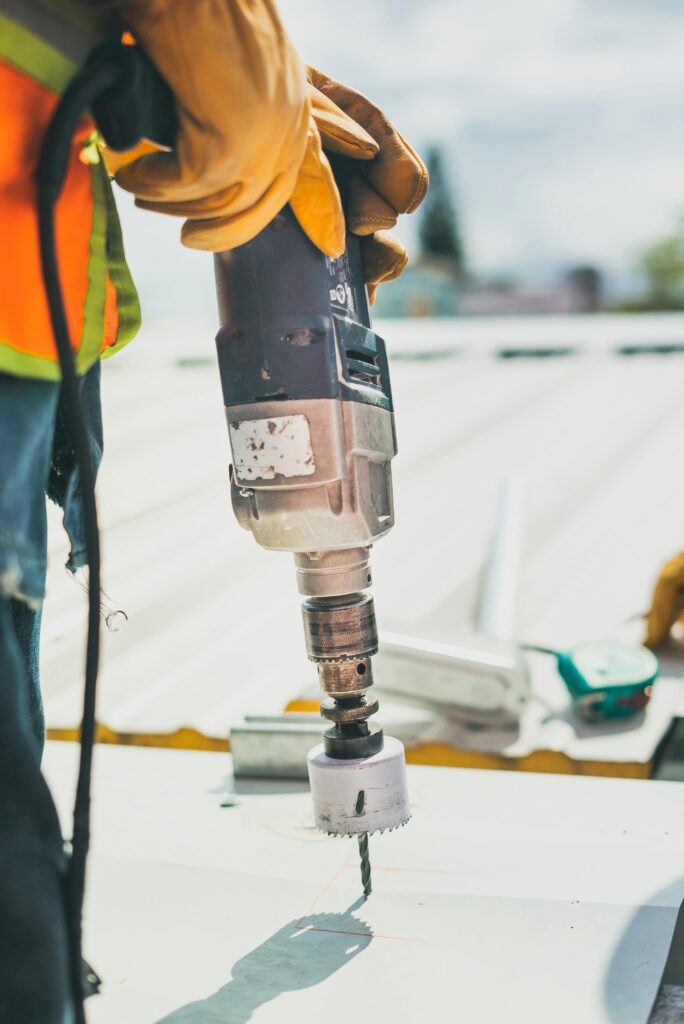
In the context of industrial asset management, the priority is to generate power without compromising the building’s envelope. Non-penetrating cable management has transitioned from a specialized option to a standard technical requirement for the following reasons:
- Preservation of Waterproofing: By eliminating the need for drilling, these systems maintain the original airtight and watertight seals of the roof.
- Compliance and Safety: Modern systems often integrate OSHA-standard walkways, providing a designated path for technicians and reducing wear on the solar modules and roof surface.
- Structural Efficiency: Pre-engineered, ballasted, or friction-fit designs allow for rapid installation without the need for complex localized flashing or sealing.
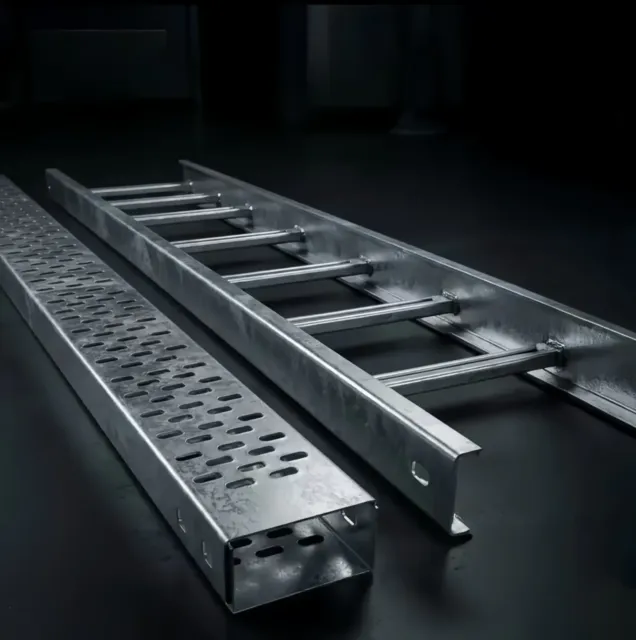
This guide examines three non-penetrating cable management methodologies currently utilized in 1MW+ commercial-scale projects. It provides a technical analysis of how these systems ensure that solar infrastructure remains secure and compliant throughout a 25-year operational lifespan.
The Core Technology: How No-Drill Cable Trays Preserve Roof Integrity
Roof penetration is the single greatest hidden risk for EPC contractors and commercial building owners. Every drilled hole damages waterproofing membranes and weakens structural integrity.
Traditional solar cable management relies on heavy steel trays bolted directly into the roof deck. Solarmountx utilizes advanced mounting geometry to secure wiring without a single drill bit touching the roof surface.
Three Industry-Proven Drill-Free Mounting Methods
- Standing Seam Clamps: These high-tension hardware components lock onto the vertical seams of metal rooftops. No drilling or adhesive is required, keeping the roof in factory condition.
- Rail-Attachment Brackets: Custom-engineered brackets clip directly onto existing solar mounting rails. By treating the cable tray as an extension of the PV array, installers eliminate the need for separate roof anchors.
- Self-Supporting Ballasted Bases: Designed for TPO, PVC, and concrete flat roofs, these aerodynamic weighted bases stay stable through gravity and wind-resistant geometry. This is the preferred solution when rail mounting is not feasible.
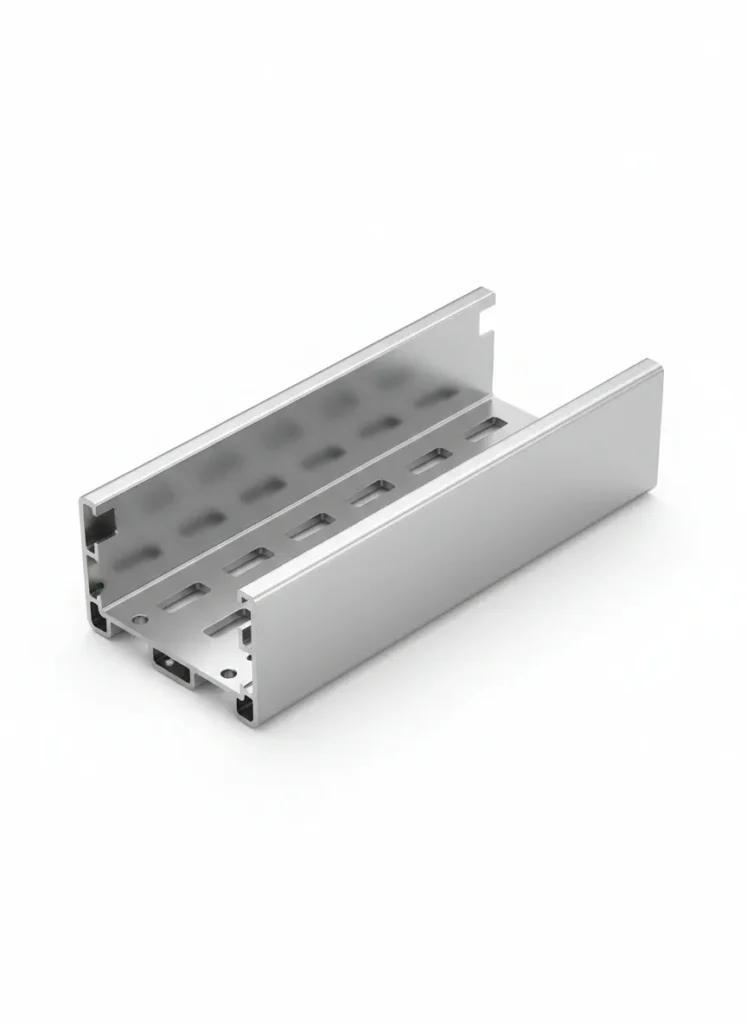
Material Performance: Why AL6005-T5 Aluminum Superiority Outperforms Galvanized Steel
Rooftop environments face extreme conditions, from UV radiation to temperatures fluctuating between -30°C and 85°C. Your material choice determines whether the system lasts 5 years or 25 years.
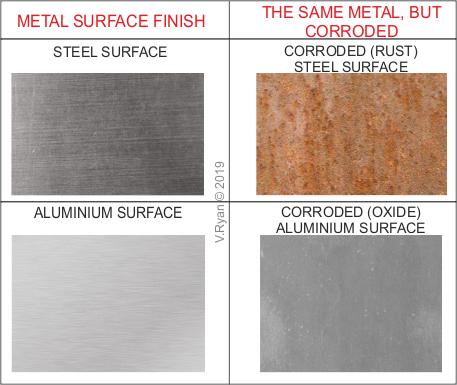
C5-Level Corrosion Resistance (ISO 12944 Standard)
Galvanized steel trays often rust at cut edges and joints within a few years, especially in coastal zones. AL6005-T5 aluminum naturally forms a protective oxide layer. It meets ISO 12944 C5-level standards, resisting salt spray and pollution without the need for extra coatings.
Lightweight Design and Structural Safety
Aluminum is roughly 65% lighter than steel. This offers two critical advantages for commercial projects:
- Lower Dead Load: Essential for aging commercial rooftops with strict structural margins.
- Safety: Lighter components are significantly easier and safer for teams to maneuver on elevated rooftops.
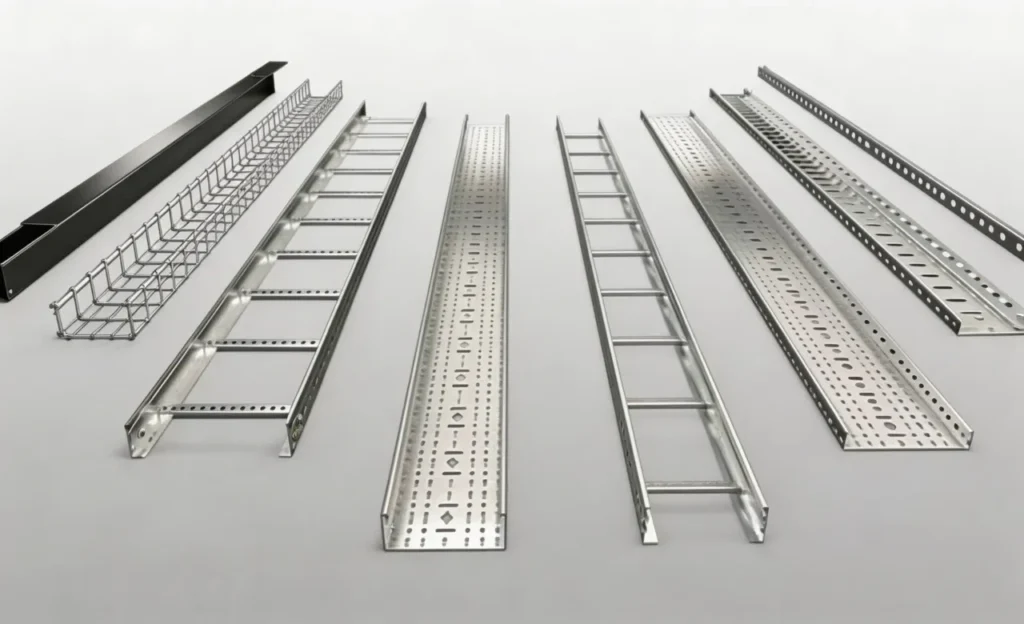
[💡 Technical Tip]: Need a wind load or ballast calculation for your specific project site? [Contact our Engineering Team for a Free Layout Design]
| Feature | Traditional Steel + Drilling | Solarmountx No-Drill Aluminum |
| Mounting Logic | Mechanical drilling & bolting | Non-penetrating (Clamps/Ballast) |
| Roof Impact | 50–200 holes per 100 meters | Zero roof penetrations |
| Roof Warranty | High risk of being voided | Fully preserved and protected |
| Material Quality | Heavy Galvanized Steel | Lightweight AL6005-T5 Aluminum |
| Corrosion Resistance | Low (Rusts at cut edges/joints) | High (C5-level, permanent rust-free) |
| Labor Speed | 10–12 man-hours per 100m | 2–3 man-hours per 100m (70% Faster) |
| Grounding | Separate jumper cables required | Integrated grounding (UL 467) |
| Long-term Leak Risk | High (Sealant degradation over time) | Zero Leakage Risk |
Installation Efficiency: Reducing Labor Costs and Improving Project ROI
Labor typically accounts for 30% to 50% of the total budget in commercial solar projects. Non-penetrating systems are designed to compress project timelines.
Modular Design Saves 70% in Labor Time
- Zero Drilling: Eliminates the need for 50–200 potential leak points per 100 meters.
- Integrated Grounding: Our aluminum trays feature integrated grounding paths compliant with UL 467 standards, removing the need for manual jumper cables.
- Rapid Assembly: A task that takes 10 man-hours with traditional steel can be completed in just 2–3 hours with our modular aluminum components.
Safety & Compliance: Meeting OSHA, UL, and Global PV Standards
For project financiers and insurers, regulatory compliance is non-negotiable. Our non-penetrating cable tray systems are engineered to meet strict global codes:
- OSHA 1910.22 Compliance: Integrated walkways eliminate tripping hazards and provide safe access for technicians.
- Electrical Integrity: Continuous low-resistance grounding paths follow IEC 61537 and UL 870 specifications.
- Certified Loads: Systems are rated to withstand wind speeds up to 60 m/s (134 mph) and snow loads up to 2.5 kN/m².
FAQ: Expert Answers on No-Drill Solar Cable Management and Roof Warranties
Q: Will a ballasted cable tray damage my TPO/PVC roof membrane? A: No. High-quality systems use EPDM or specialized protective pads beneath the ballast to prevent friction and ensure the membrane remains 100% intact.
Q: Is a “No-Drill” system truly as stable as a bolted one? A: Absolutely. Through wind-tunnel testing and site-specific ballast calculations, non-penetrating systems are engineered to withstand hurricane-force winds.
Q: Does this system comply with North American electrical standards? A: Yes, our solutions are designed to meet or exceed UL 870 and UL 467 requirements for cable routing and grounding.
Conclusion: Future-Proofing 1MW+ Commercial Solar Assets with Advanced Infrastructure
Choosing a non-penetrating solar cable management system is an investment in your building’s longevity. By avoiding roof leaks, cutting labor costs by 70%, and selecting rust-free AL6005-T5 aluminum, you ensure your solar project remains a high-performing asset for decades.
Ready to secure your rooftop? Request a personalized quote, download our latest product catalog, or schedule a technical consultation with the Solarmountx team today.
Ready to Secure Your Next Project?
Get a Professional Layout & Quote Today.
Our engineering team at SolarMountX is ready to help you design a customized, no-drill cable management plan tailored to your specific rooftop requirements.
- Request a Free Technical Consultation: [Contact Us Now]
- Download Our Catalog: View the full range of our utility-scale solar cable tray and walkway systems.
- Visit Our Website: http://solarmountx.com/
About the Author
Dr. Yang Ge, PE
Senior Solar Infrastructure Specialist & Corrosion Control Consultant
Dr. Yang Ge is a professional engineer with over 15 years of experience in global renewable energy infrastructure. A specialist in corrosion science and advanced material durability, Dr. Ge has led structural engineering designs for utility-scale solar projects across diverse high-salinity and extreme-climate regions. He is a passionate advocate for long-term asset integrity and is currently focused on optimizing international maintenance standards to secure a 30-year operational life for PV infrastructure.
Published:May 2026