
Dual Axis Solar Tracker Racking Cost Guide for Ground Mount PV Projects
Need a cost efficient ground mounted dual axis solar tracker racking system? Start with yield value, foundation risk, controls, and service cost.
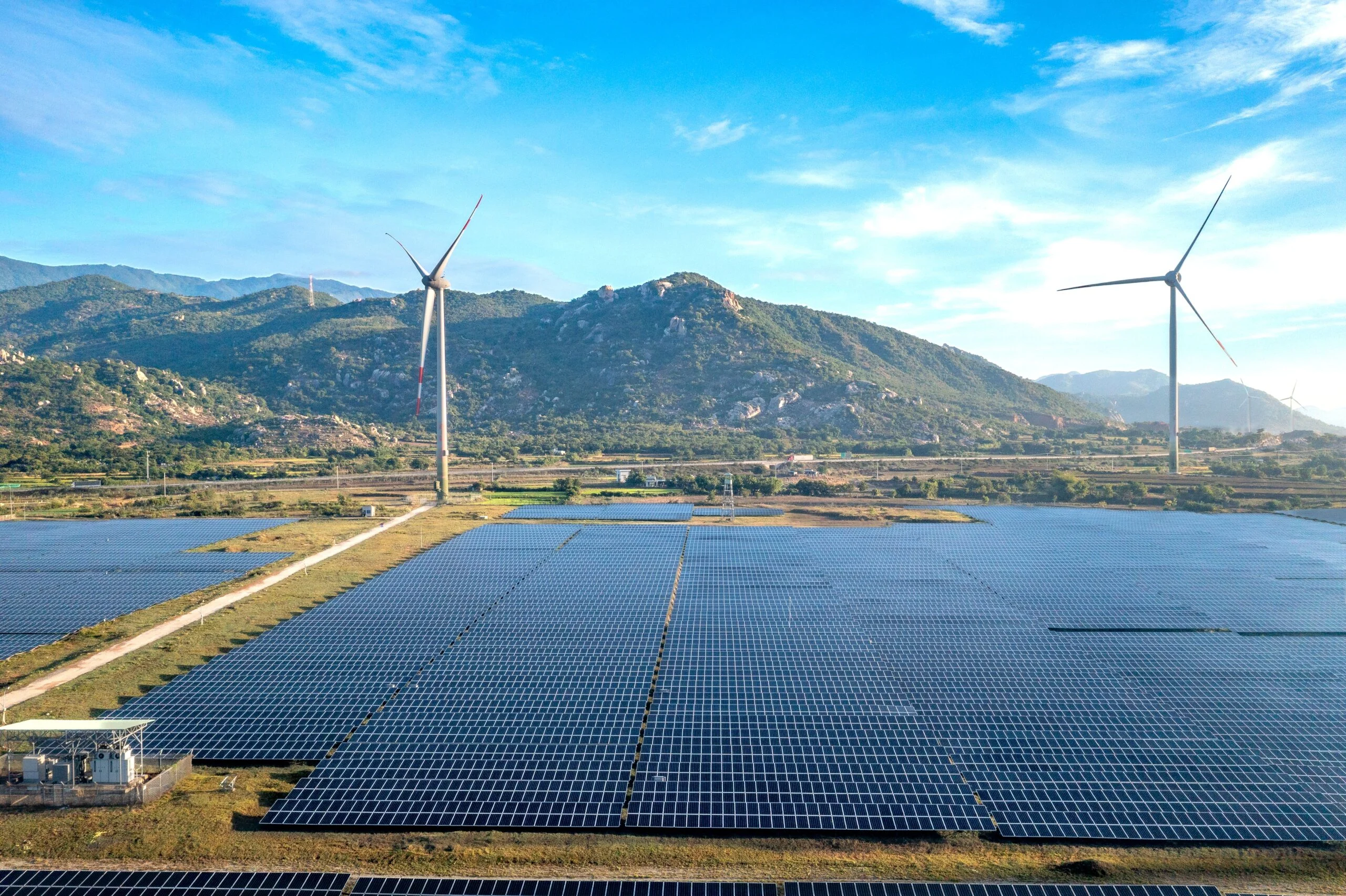
Dual axis solar tracker racking should be evaluated by site conditions, structural design, control logic, and lifetime maintenance.
- In practice, a dual axis solar tracker racking system moves PV modules in both azimuth and elevation. Instead of holding panels at one fixed tilt, the structure adjusts during the day and across seasonal sun-angle changes.
For EPCs, developers, installers, and procurement teams, the main question is not whether dual-axis tracking can increase solar exposure. In many cases, it can. However, the harder question is whether the added structure, drives, controls, foundations, and maintenance still make financial sense for the specific site.
For this reason, this article rewrites the original product-ranking angle into a practical selection guide. As a result, the content avoids unsupported model claims and better matches B2B search intent. For a broader tracker overview, see the SolarMountX guide to solar tracker mounting systems.
Dual Axis Solar Tracker Racking Demand: What Buyers Need to Confirm First
Dual-axis tracking is usually considered when a project needs more energy from limited land, better morning and afternoon production, or stronger output in sunny regions with high direct irradiance. However, it is not the right choice for every ground mount project.
Before comparing tracker prices, confirm these project conditions:
- Solar resource: Check direct irradiance, diffuse light share, seasonal patterns, and weather variability.
- Energy value: Higher electricity value, peak pricing, or limited land can make tracking more attractive.
- Terrain and layout: Slope, row spacing, access roads, equipment clearance, and shading risk affect tracker economics.
- Soil conditions: Foundation cost can change quickly when the site has weak soil, rock, groundwater, frost, or corrosion exposure.
- Wind and snow loads: Moving structures need a clear survival strategy, stow logic, and load path.
- Maintenance access: Drives, sensors, wiring, bearings, and fasteners must remain serviceable for the project life.
In practice, a low purchase price does not automatically create a cost efficient solar tracker. A cheaper tracker can lose value if it needs heavy civil work, frequent drive replacement, complex commissioning, or slow spare-parts support.
For early energy comparison, PV modeling resources such as the Sandia PV Performance Modeling Collaborative guide to two-axis tracking can help teams frame how tracker orientation affects plane-of-array irradiance. However, use this only as an early estimate. Finally, procurement should use project-specific engineering, local weather data, supplier files, and realistic uptime assumptions.
Screening Standards for a Cost Efficient Dual Axis Solar Tracker Racking System
In practice, a reliable tracker is a coordinated system, not only a steel frame with motors. In addition, the structure, control software, foundation, electrical routing, and maintenance plan all affect lifetime cost.
Structural Design and Load Path
First, ask the supplier to explain how loads move from the module clamps into the rails, purlins, rotating members, slew drive, actuator, post, pile, and soil. As a result, the load path should be clear in drawings and engineering documents.
Key items to review include:
- Steel grade, coating method, corrosion class, and wall thickness.
- Torque tube or rotating frame stiffness under wind and movement.
- Slew drive capacity, actuator rating, braking method, and back-driving resistance.
- Module clamp compatibility with the selected panel frame and loading direction.
- Fastener grade, torque value, locking method, and inspection access.
A cost efficient ground mounted dual axis solar tracker racking system should reduce unnecessary steel where possible, but it should not hide weak load assumptions. Therefore, project teams should ask for the structural calculation basis before comparing unit price.
Foundation Options and Civil Cost
In practice, foundation cost can decide whether the tracker is economical. For example, a tracker with a lower equipment price may become expensive if it needs deep concrete piers, heavy grading, or complicated alignment work.
For example, common foundation approaches include driven piles, ground screws, helical piles, concrete piers, and ballasted blocks. However, the right option depends on soil bearing capacity, pull-out resistance, corrosion exposure, land-use limits, and local installation equipment.
For related foundation planning, review the SolarMountX article on solar tracker foundation requirements. Therefore, the foundation should be selected after a geotechnical review, not after a brochure comparison alone.
Tracking Controls, Backtracking, and Weather Protection
In practice, the control system determines how accurately and safely the tracker moves. First, most dual-axis systems use astronomical tracking based on time, date, latitude, longitude, and elevation. In addition, some projects also need wind sensors, snow mode, remote monitoring, row-level fault alerts, and shade-aware backtracking.
Ask these questions before procurement:
- How does the tracker define operating range, warning mode, and stow mode?
- Does the controller support local fail-safe behavior if communication fails?
- How does the system recover after high wind, power loss, or sensor error?
- Can the supplier explain how row spacing and terrain affect backtracking?
- What commissioning tests confirm movement range, calibration, and alarm behavior?
For tracker qualification discussions, buyers can refer to IEC 62817 and relevant certification documentation from the supplier. However, standards do not replace site engineering; instead, they help procurement teams request clearer evidence.
Practical Selection Steps for Ground Mounted Dual Axis Solar Tracker Racking
Once the site conditions are clear, compare suppliers through documents and project fit rather than model names. As a result, the procurement process becomes more reliable and reduces the risk of buying a tracker that looks efficient only on paper.
Step 1: Model fixed tilt, single axis, and dual axis with the same assumptions.
Then, use the same module type, inverter ratio, weather file, losses, ground coverage ratio, maintenance assumptions, and energy price. As a result, the comparison stays fair.Step 2: Request a tracker-specific bill of materials.
In addition, confirm posts, rails, rotating frame, actuators, slew drives, controller, wind sensors, grounding parts, fasteners, spare parts, and cable-management accessories. Otherwise, missing small parts can create field delays.Step 3: Compare installation time and tolerance requirements.
For example, some racking designs save material but need stricter alignment. By contrast, others use heavier parts but install faster. Therefore, ask for installation drawings, pile tolerances, tool requirements, and commissioning steps.Step 4: Review maintenance and replacement access.
In addition, the tracker should allow practical access to motors, actuators, bearings, wiring loops, controllers, and sensors. By contrast, a repair that needs lifting equipment or extended downtime can change the lifetime cost profile.Step 5: Check supplier documentation and RFQ support.
Finally, for commercial or utility procurement, ask for drawings, load assumptions, material specs, coating details, packing information, installation manuals, inspection procedures, warranty terms, and spare-parts support. In addition, SolarMountX can support project discussions through its engineering and quotation contact page.Fixed Tilt vs Single Axis vs Dual Axis Solar Tracker Racking
Evaluation Dimension Fixed Tilt Ground Mount Single Axis Tracker Dual Axis Solar Tracker Racking Best-fit project Simple sites with enough land and low maintenance preference Utility or C&I sites needing better daily production Sites where land value, energy value, or precision tracking justifies added complexity Structure complexity Lowest Moderate Highest, because both azimuth and elevation movement must be controlled Foundation sensitivity Moderate Moderate to high High, especially where wind, overturning, and alignment tolerance matter Control requirements No tracking controller Tracking controller and possible backtracking Two-axis controller, calibration, weather protection, and movement monitoring Maintenance demand Lowest Medium Highest; drives, sensors, wiring, and moving joints need planned inspection Main cost risk Lower energy density on constrained land Drive reliability, terrain limits, row shading Foundation cost, moving-part downtime, and unsupported yield assumptions Procurement focus Material, coating, wind/snow load, installation speed Drive system, backtracking, wind stow, terrain tolerance Full lifecycle value: yield model, load path, controls, foundations, service access, documents From this comparison, dual axis solar tracker racking is most attractive when the project can monetize extra production and support the added engineering. If the site has low energy value, poor maintenance access, or severe foundation risk, a fixed tilt or single axis design may deliver better lifetime value.
For broader ground structure options, see the SolarMountX solar ground mounting systems page. In addition, for cost and performance assumptions, review the dual axis solar tracker cost and performance guide.
FAQ: Dual Axis Solar Tracker Racking
What makes a dual axis solar tracker racking system cost efficient?
In practice, cost efficiency comes from the balance between energy value, hardware cost, civil work, installation time, uptime, maintenance, and service support. Therefore, a tracker is not cost efficient only because its initial price is low.
Is dual axis tracking always better than single axis tracking?
No. Although dual-axis tracking can improve sun-facing accuracy, it also adds structure, controls, moving parts, and maintenance. Therefore, single-axis tracking may be more suitable for many utility projects where simpler operation and lower lifecycle risk matter.
Which documents should buyers request before ordering tracker racking?
First, request structural drawings, foundation assumptions, wind and snow load basis, material specifications, coating details, actuator and drive information, controller logic, installation manual, maintenance plan, warranty terms, packing list, and spare-parts policy.
Can dual axis tracker racking work on uneven terrain?
It can, but the site needs careful layout, foundation design, clearance checks, and movement calibration. However, severe slope, variable soil, or poor access can increase both installation and maintenance cost.
What information should be sent for an RFQ?
For example, send the project location, capacity, module size, module layout, terrain condition, soil information, wind and snow requirements, preferred foundation, corrosion environment, drawing status, certification needs, and target delivery schedule.
Summary
- If you need a cost efficient ground mounted dual axis solar tracker racking system, first confirm solar resource, energy value, terrain, soil, wind, and maintenance access.
- The core solution is to compare lifetime value, not only equipment price. In addition, structure, foundations, controls, installation quality, and serviceability all affect cost.
- From the comparison above, dual axis solar tracker racking is best suited to projects where higher production value justifies extra mechanical and engineering complexity.
- Final recommendation: shortlist suppliers only after they provide project-specific drawings, foundation assumptions, control logic, and maintenance documentation.
Download CTA: Download the Dual Axis Solar Tracker Racking RFQ Checklist to compare site inputs, foundation options, controls, documents, and supplier responsibilities before requesting a final quote.
References for Technical Review
Single-Axis Solar Tracker Market Guide
Review the single-axis solar tracker market and procurement guide for tracker types, site fit, foundations, controls, maintenance and RFQ scope.